
 By Admin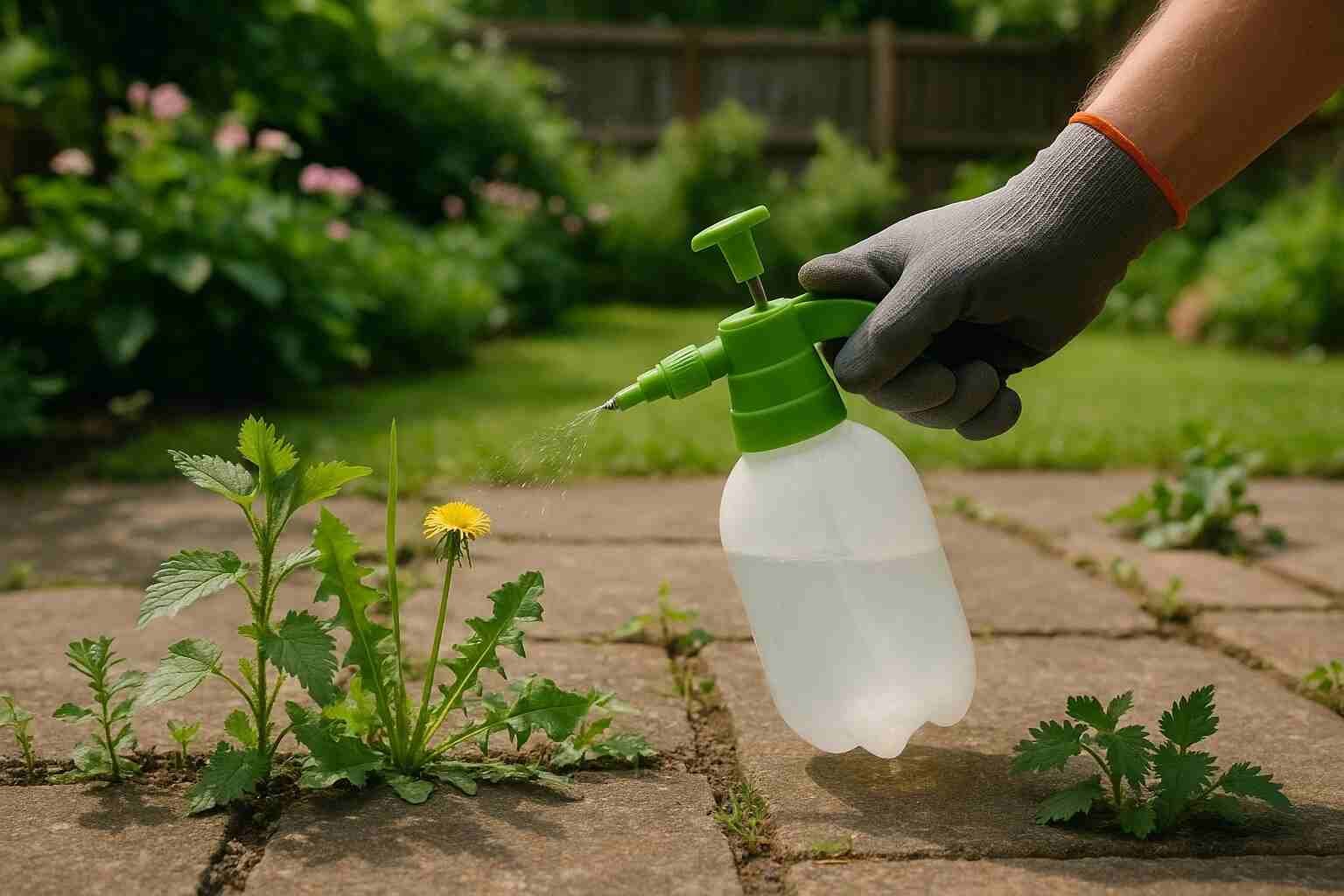
Tackling stubborn weeds can feel like a never-ending battle for any gardener. From dandelions on the patio to nettles creeping into flowerbeds, finding an effective solution is key. Gallup Home and Garden is a name that often comes up for those seeking a powerful weed killer. But what exactly is Gallup Home and Garden, how do you use it safely, and is it the right choice for your garden needs?
This comprehensive guide will walk you through everything you need to know about Gallup Home and Garden. We’ll cover what it is, how to apply it correctly, and its pros and cons, so you can make an informed decision for your outdoor spaces.
What Is Gallup Home & Garden?

Gallup Home & Garden is a systemic, non-selective weed killer designed for domestic use. Its active ingredient is glyphosate, typically at a concentration of 360 grams per liter. This formulation makes it a professional-strength herbicide that is available to non-professional users, offering a potent solution for controlling a wide variety of unwanted vegetation.
What does “systemic” mean? Unlike contact weed killers that only burn the leaves they touch, a systemic herbicide like Gallup is absorbed through the leaves and travels down to the root system. This process ensures the entire plant is killed, preventing regrowth and making it highly effective against deep-rooted perennial weeds such as dandelions, docks, and thistles. It is also effective on annual weeds that complete their life cycle in one season. Because it is non-selective, it will affect any green plant it comes into contact with, which is a crucial factor to consider during application.
Why Choose Gallup Home & Garden for Your Garden or Patio?
With many weed killers on the market, what makes this particular product stand out? The primary appeal of Gallup Home & Garden lies in its professional-grade efficacy. It provides homeowners with access to a powerful formula that can tackle even the most persistent and difficult-to-manage weeds, which weaker, off-the-shelf products might struggle with.
Another significant advantage is its versatility. It is formulated for use on a variety of surfaces, making it an all-in-one solution for many households. You can use it to clear weeds from driveways, patios, paths, and around the base of fences or walls. It is also suitable for clearing overgrown areas of a garden before cultivation.
Finally, it offers peace of mind regarding safety when used correctly. The product becomes rainfast within hours, meaning a sudden shower won’t wash it away and reduce its effectiveness. Once the spray has completely dried on the leaves, the area is safe for children and pets to re-enter, which is a critical consideration for family gardens.
How to Use Gallup Home & Garden – Step-by-Step Guide
Proper application is essential for maximizing effectiveness and ensuring safety. Follow these steps for the best results.
Preparing the Surface or Soil
Before you even think about mixing, prepare the target area. For best results, the weeds should be actively growing with a good amount of leaf coverage to absorb the herbicide. Avoid cutting or strimming weeds right before application.
Ensure the foliage is dry, as rain or dew can dilute the product and reduce its effectiveness. Clear away any loose debris like fallen leaves or twigs that might prevent the spray from reaching the weed’s foliage.
Mixing & Application Rates
Correct dilution is crucial. Always read the product label for specific instructions, as formulations can vary. A common recommendation for Gallup Home & Garden is to mix 24ml of the concentrate with 1 liter of water. This mixture is typically sufficient to treat an area of around 40 square meters.
Use a dedicated garden sprayer for application. Avoid using a watering can, as this can lead to over-application and a lack of control, potentially harming nearby plants you wish to keep. When mixing, fill the sprayer with half the required water, add the measured amount of Gallup, and then add the remaining water. Close the sprayer and shake it well to ensure the solution is thoroughly mixed.
Post-Application Care
After spraying, patience is key. Do not disturb the treated weeds for at least 7 days to allow the herbicide to translocate fully to the root system. You should start to see signs of wilting and yellowing within a week or two, but it can take up to four weeks for the weed to die completely.
Avoid applying if rain is expected within 6 hours, as this can wash the product off the leaves. Similarly, do not spray on windy days to prevent spray drift from damaging neighboring plants, lawns, or wildlife habitats. Once the weeds are dead, you can remove them.
Timing & Seasonal Considerations
Timing your application can dramatically impact the results. The best time to use Gallup Home & Garden is when weeds are actively growing, which is typically from spring through autumn. Applying it during a plant’s growth phase ensures the glyphosate is quickly absorbed and transported throughout the plant.
For annual weeds, applying in the spring or early summer before they set seed can prevent them from spreading. For tough perennial weeds like bindweed or Japanese knotweed, late summer or early autumn application can be particularly effective. At this time of year, plants are storing energy in their roots for winter, so the herbicide is more readily drawn down into the root system.
Weather plays a significant role. Apply on a calm, dry day when temperatures are mild. Herbicide activity can be slower in very cold or very hot and dry conditions. If you need to re-treat a stubborn area, wait until the weed shows signs of regrowth before applying again.
Safety, Environment & Residue Concerns

The active ingredient in Gallup Home & Garden, glyphosate, has been the subject of public discussion regarding its environmental and health impacts. When using any chemical product, it is vital to follow the safety instructions on the label. Always wear protective gloves and eyewear during mixing and application. Keep children and pets away from the treated area until the spray has completely dried.
One of the key features of this product is that it deactivates upon contact with soil and is broken down by microorganisms. This means it has no lasting residual effect in the soil. You can typically replant or sow seeds in the treated area after about 7 days, once the weeds have died back. This makes it a good choice for clearing a weedy patch before creating a new garden bed.
To minimize environmental impact, use the product responsibly. Avoid letting the spray drift into ponds, streams, or other water bodies. Never dispose of unused product or empty containers in drains or waterways. Follow your local authority’s guidelines for chemical waste disposal.
Gallup Home & Garden for Different Surfaces
Understanding where you can and cannot use this herbicide is critical to avoid costly mistakes.
- Driveways, Patios, and Hard Surfaces: Gallup Home & Garden is highly effective for controlling weeds that grow in the cracks and crevices of paths, patios, and driveways. Its non-selective nature is an advantage here, as it will kill any vegetation it touches.
- Garden Beds and Borders: It is ideal for clearing weeds from around the base of established, woody shrubs and trees, as long as you avoid spraying their foliage or green bark. It’s also great for preparing a new vegetable patch or flower bed by clearing all existing vegetation.
- Lawns: Do not use Gallup Home & Garden on lawns. As a non-selective weed killer, it will kill grass just as effectively as it kills weeds. If you have weeds in your lawn, you need a selective lawn weed killer that is specially formulated to target broadleaf weeds without harming the grass.
Comparisons: Gallup Home & Garden vs Other Weed Killers
How does Gallup stack up against other popular brands like Roundup? Both products often use glyphosate as their active ingredient and function in a similar systemic way. The choice between them can come down to concentration, formulation, and cost-effectiveness. Gallup is often noted for being a more concentrated, professional-style product available for home use, which can make it more economical for treating large areas.
Compared to organic or natural weed killers (which often use acetic acid or fatty acids), Gallup is significantly more potent and provides a longer-lasting solution for perennial weeds. Natural weed killers are typically contact herbicides, meaning they only burn the top growth and may require repeated applications to exhaust the roots. For deep-rooted, persistent weeds, a glyphosate-based product is generally more effective in a single application.
Pros & Cons of Gallup Home & Garden
To help you decide, here is a summary of the main advantages and disadvantages.
Pros:
- Professional Strength: Highly effective on a wide range of annual and perennial weeds.
- Systemic Action: Kills the entire plant, including the roots, to prevent regrowth.
- No Soil Residue: Inactivated on contact with soil, allowing for replanting after a short period.
- Cost-Effective: The concentrated formula can cover a large area, offering good value.
- Versatile: Suitable for use on many surfaces like patios, driveways, and for clearing ground.
Cons:
- Non-Selective: Will kill any plant it touches, including lawns and desired garden plants.
- Glyphosate Concerns: Some users have environmental or health concerns related to its active ingredient.
- Requires Careful Handling: Needs to be mixed and applied correctly with safety precautions.
- Slower Acting: As a systemic killer, it can take several weeks to see full results
Real-Life User Examples & Tips
Experienced gardeners have developed techniques to get the most out of products like Gallup. For notoriously tough weeds like nettles or docks, wait until they have a large, full set of leaves before spraying to maximize absorption.
Consider using a weed wiper for targeted application. This tool allows you to “paint” the herbicide directly onto the leaves of the weeds you want to kill, which is perfect for treating weeds growing among plants you want to save. This method drastically reduces the risk of spray drift.
Another user tip is for clearing a large, overgrown area for a future lawn or garden. Spray the entire area in late summer, wait for the vegetation to die back completely over a few weeks, and then cultivate the soil in preparation for spring planting. This gives the soil plenty of time to recover and ensures you start with a clean slate.
Frequently Asked Questions
What is Gallup Home & Garden weed killer used for?
It is used to control a wide range of annual and perennial weeds. It is ideal for clearing weeds from hard surfaces like patios and driveways, as well as for clearing ground before planting. It is not for use on lawns.
Is it safe around pets and children?
Once the spray has completely dried on the treated weeds, the area is safe for pets and children to re-enter. Always keep them away during the mixing and application process and until the area is fully dry.
When is the best time to apply?
The best time is during the active growing season (spring to autumn) on a dry, calm day. This ensures the weed absorbs the product effectively. Avoid applying during very hot, dry, or cold weather.
How long before planting after use?
Because Gallup Home & Garden does not leave a residue in the soil, you can typically replant or sow seeds 7 days after application, or once the weeds have visibly died back. Always check the product label for specific guidance.
Can it be used on driveways and hard surfaces?
Yes, it is highly effective for controlling weeds that grow in the cracks and joints of driveways, paths, and patios. Its non-selective nature makes it a great choice for these areas where you want to eliminate all vegetation.
Your Guide to a Weed-Free Garden
Gallup Home & Garden offers a powerful and effective solution for managing stubborn weeds in non-lawn areas. Its professional-strength formula, systemic action, and lack of soil residue make it a valuable tool for reclaiming patios, clearing overgrown plots, and keeping pathways neat.
By understanding how to use it correctly—from proper mixing and application to timing and safety precautions—you can harness its full potential. Weighing the pros and cons against your specific gardening needs will help you determine if this powerful herbicide is the right choice to help you win the battle against weeds.
Also Read:
ashley gardens care home: Services, Costs, CQC Rating & Visit Checklist
ashley gardens care home: Services, Costs, CQC Rating & Visit Checklist