
 By Admin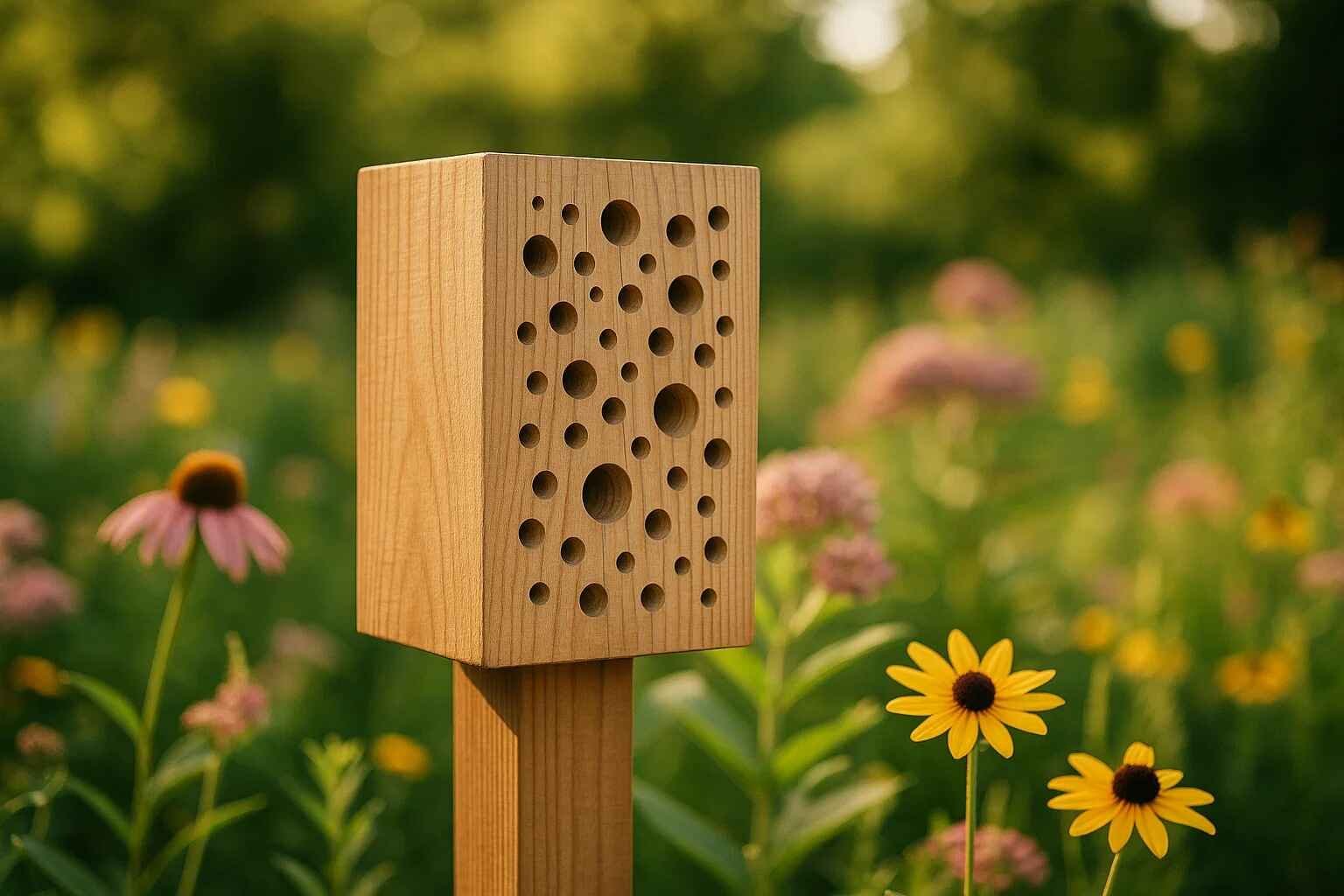
Adding a home for native bees is one of the most rewarding ways to support your local ecosystem. These small structures provide critical nesting habitat for gentle, solitary pollinators that work wonders for your flowers, vegetables, and fruit trees. If you’re a home gardener, wildlife enthusiast, or just curious about helping pollinators, this guide is for you. We will walk you through everything you need to know about bee homes for the garden, from understanding the bees that use them to building your own, placing it correctly, and maintaining it for years of success. Get ready to create a thriving habitat that brings life and beauty to your backyard.
What Are Bee Homes (Bee Hotels) and Why Do They Matter?
A bee home, often called a bee hotel or insect hotel, is a human-made structure designed to provide nesting sites for solitary bees. Unlike honeybees that live in large social hives, the vast majority of bee species are solitary. This means each female finds or creates her own nest to lay her eggs, without a queen or worker bees to help. In nature, these bees would nest in hollow plant stems, old beetle burrows in wood, or tunnels in the ground. As gardens become tidier and natural habitats shrink, these essential nesting spots are disappearing.
This is where bee homes for the garden come in. They mimic these natural cavities, offering a safe and consolidated place for these important pollinators to reproduce. By installing one, you are directly helping to sustain local bee populations, which in turn boosts the pollination of your garden plants. More bees mean more flowers, fruits, and vegetables. It’s a simple and effective act of conservation that starts right in your own yard.
Solitary Bees vs. Social Bees
It’s important to understand the difference between the guests you’re inviting and their more famous cousins. Social bees, like honeybees and bumblebees, live in colonies with a queen and workers. Solitary bees, such as mason bees and leafcutter bees, live alone. A female solitary bee is her own queen. She builds the nest, forages for pollen and nectar, and lays her eggs all by herself. These bees are gentle and non-aggressive, as they have no hive or honey to defend, making them perfect neighbors for a family garden.
Which Bee Species Will Use Bee Homes for the Garden?
While hundreds of native bee species could theoretically use a nesting block, two main groups are the most common residents of bee homes in North America: mason bees and leafcutter bees. Both are exceptional pollinators and fascinating to watch. Creating the right environment encourages them to check in and stay.
Mason Bees (Osmia spp.)
Mason bees are among the first bees to emerge in the spring, often active when it’s still too cool for honeybees. They get their name from their unique nesting behavior of using mud to build partitions and seal their nesting tunnels. A female mason bee will find a suitable hole, collect pollen and nectar to form a “pollen loaf,” lay a single egg on it, and then build a mud wall to seal the cell. She repeats this process until the tunnel is full. They are incredible pollinators for early-blooming fruit trees like apples, cherries, and plums.
Leafcutter Bees (Megachile spp.)
Appearing later in the summer, leafcutter bees are known for the perfect circles they snip from leaves. They don’t eat the leaf pieces; instead, they use them to construct cozy, thimble-like cells for their offspring inside nesting tunnels. Like mason bees, they provision each cell with pollen and nectar before laying an egg. Leafcutter bees are fantastic pollinators for summer vegetables and flowers, including squash, melons, and cosmos. Watching them fly back to the bee home with a bright green piece of leaf is a true garden delight.
Materials & Designs: Drilled Blocks, Reed Bundles, and More
The quality of your bee home directly impacts its success and the health of the bees. The best designs use natural, breathable materials and follow specific dimensions to attract target species while discouraging pests. You can create a bee home from a block of wood, a bundle of hollow stems, or a combination of materials inside a protective house.
Recommended Hole Diameters and Depths
Different bee species prefer different-sized tunnels. To attract a variety of native bees, it’s best to provide a range of hole sizes.
- For Mason Bees: Target hole diameters between 5/16 inch (8 mm) and 3/8 inch (9.5 mm).
- For Leafcutter Bees & smaller species: Use diameters from 3/32 inch (2.5 mm) to 1/4 inch (6 mm).
- Depth is Crucial: All nesting tunnels should be at least 6 inches (15 cm) deep. Shallow holes often result in a higher proportion of male offspring or may be ignored by females altogether. The back of the tunnel must be closed—bees will not use a hole that is open at both ends.
What to Avoid
Many commercially sold bee hotels are more decorative than functional and can even harm bees. Avoid models with:
- Treated or Painted Timber: Chemicals can repel or harm bees. Use untreated, seasoned lumber.
- Shallow Holes: Tunnels less than 5-6 inches deep are not effective.
- Composite Materials: Avoid particleboard or plastic, as they don’t breathe and can promote mold growth.
- Designs with Pinecones or large gaps: These spaces attract spiders and wasps, not solitary bees.
Step-by-Step: How to Build a Simple Bee Home
Building your own bee home is a simple and rewarding weekend project. This plan uses a solid block of untreated wood.
Tools & Materials:
- An untreated wood block or post (4×4 or 4×6), at least 6 inches deep.
- Drill with various bit sizes (3/32″ to 3/8″).
- Tape measure or ruler.
- Sandpaper.
- (Optional) A small piece of wood for a roof.
Build Instructions (Time Estimate: 1 Hour):
- Cut Your Block: Ensure your wood block is at least 6 inches deep. A 4×6 post cut to an 8-inch length works well.
- Mark Your Holes: On one of the faces (the 4×6 side), mark spots for drilling. Space them about 3/4 inch apart.
- Drill the Tunnels: Using your variety of drill bits, drill holes into the block. Wrap a piece of tape around your drill bit 5-6 inches from the tip to act as a depth guide. Do not drill all the way through.
- Vary the Sizes: Drill a mix of hole diameters between 3/32″ and 3/8″ to attract different species.
- Smooth the Entrances: Gently sand the face of the block to remove splinters around the hole entrances, which could tear a bee’s delicate wings.
- Add a Roof (Optional but Recommended): Attach a small, overhanging piece of wood to the top of your block to protect the nesting tunnels from rain.
Where to Place Your Bee Home in the Garden
Proper placement is just as important as good design. A poorly located bee home will remain empty, while a well-placed one can become a bustling hub of activity.
Best Orientation, Height, and Shelter
- Orientation: Mount your bee home so it faces south or southeast. This allows the morning sun to warm the bee house, encouraging the bees to become active earlier in the day.
- Height: Place the home at least 3 feet off the ground but no higher than 6-7 feet. This height protects it from splashing rain and curious pests while keeping it accessible for your observation. Mounting it on a fence post, shed wall, or a sturdy stake is ideal.
- Shelter: The location should be sheltered from the worst of the wind and rain. An overhanging roof on the bee home itself is great, but placing it under the eaves of a shed or house provides even better protection. Ensure the front remains sunny and unobstructed.
Planting & Landscape: Best Plants to Support Your Bee Home
A bee home is only half the solution; you also need to provide food. Solitary bees have a limited flight range, so planting a rich variety of flowering plants nearby is essential for their success. Aim for continuous blooms from early spring through late summer.
Regional Plant Lists & Bloom Calendar
Northeast US:
- Spring: Pussy Willow, Crocus, Red Maple, Wild Geranium, Penstemon.
- Summer: Coneflower (Echinacea), Milkweed, Anise Hyssop, Black-eyed Susan, Mountain Mint.
Southeast US:
- Spring: Redbud, Carolina Jessamine, Tulip Poplar, Phlox, Spiderwort.
- Summer: Purple Coneflower, Rattlesnake Master, Coreopsis, Passionflower, Goldenrod.
UK & Europe:
- Spring: Willow, Hawthorn, Lungwort (Pulmonaria), Comfrey, Bluebell.
- Summer: Lavender, Foxglove, Viper’s-bugloss, Marjoram, Scabious.
Don’t forget to provide a nearby source of mud for mason bees and soft-leafed plants (like rose or hosta) for leafcutter bees. A small patch of bare, damp soil or a shallow dish of mud will do the trick.
Maintenance, Cleaning, and Emergence Boxes
Responsible bee hotel management is key to preventing the buildup of parasites and diseases like chalkbrood. You can’t just hang it and forget it. An annual maintenance routine will keep your bee population healthy.
Annual Maintenance Checklist
- Autumn (after bee activity ends): Store the bee home or nesting blocks in an unheated garage or shed. This protects overwintering cocoons from birds and harsh weather.
- Late Winter/Early Spring: Create an “emergence box.” This can be a cardboard box with a single 1/2-inch hole drilled in the side. Place the old nesting blocks or tubes inside the box and seal it.
- Spring: Place the emergence box outside near where the bee home was. Emerging adult bees will fly out of the hole toward the light but will not be able to find their way back in. They will then move into your new, clean bee home nearby.
- Summer: After a few weeks of warm weather, all healthy bees should have emerged. You can now safely dispose of or clean the old nesting materials, which may contain dead bees, parasites, or old pollen. Never reuse tubes or blocks without cleaning.
Common Problems and Troubleshooting
Even with the best intentions, you might encounter some issues. Here’s how to handle common problems.
- No Occupancy: If bees aren’t moving in, check your placement (is it sunny and sheltered?), hole sizes (are they deep enough?), and local food sources (are there flowers blooming nearby?). Be patient; it can sometimes take a full season for bees to find a new home.
- Wasps and Other Insects: You may notice paper wasps or other insects using the tunnels. While they are also native insects, they can sometimes compete with bees. If they dominate the hotel, consider putting up a dedicated wasp block elsewhere.
- Parasitism: Signs of parasites include tiny pollen mites covering the entrance of a hole or parasitic wasps hovering around the nests. The best defense is annual tube replacement and using an emergence box. Protecting the front of the home with wide-mesh chicken wire (1-inch openings) can deter birds, but ensure it doesn’t obstruct the bees’ flight path.
Buying vs. Making: Best Commercial Bee Homes
If you prefer to buy a bee home, choose wisely. Look for models that follow best practices for bee health. A quality bee hotel should have:
- Replaceable Nesting Tubes: This is the most important feature. Homes with solid, non-removable bamboo or drilled holes that can’t be cleaned will harbor disease. Look for designs that use paper inserts or removable wood trays.
- Proper Depth: Ensure the nesting tunnels are at least 6 inches deep.
- Durable, Weatherproof Roof: An overhanging roof made of wood or metal is essential to keep the tubes dry.
- Untreated Materials: The main structure should be made of natural, unfinished wood.
Some reputable brands focus on these features, offering high-quality, manageable bee homes. While often more expensive than decorative models, they are a far better investment in your garden’s health.
Pros & Cons of Adding Bee Homes for the Garden
Deciding to install a bee home is a great step, but it helps to be aware of the full picture.
Pros:
- Enhanced Pollination: Directly boosts the productivity of your fruits, vegetables, and flowers.
- Educational Opportunity: Offers a fascinating look into the life cycle of native bees.
- Supports Biodiversity: Provides crucial habitat for essential local pollinators.
- Low-Cost Conservation: Building your own bee home is an inexpensive and impactful project.
Cons:
- Requires Maintenance: They are not “set and forget.” Annual cleaning is necessary to prevent disease.
- Risk of Parasites: If unmanaged, a bee hotel can concentrate parasites and harm the very bees you’re trying to help.
- Can Attract Unwanted Guests: Spiders and wasps may also take up residence.
Frequently Asked Questions
What is the difference between a bee house and a bee hotel?
The terms are often used interchangeably. Both refer to man-made structures designed to provide nesting cavities for solitary bees. “Bee hotel” is a more common term, especially for larger, multi-chambered structures.
Where should I place a bee house in my garden?
Place it in a sunny, south or southeast-facing location, about 3-6 feet off the ground. It should be securely mounted and sheltered from strong winds and rain.
Will wasps or pests use my bee hotel?
Yes, it’s possible. Other insects like solitary wasps may use the tunnels. This is a natural part of the ecosystem. However, to prevent parasites from building up, it’s crucial to replace or clean nesting materials each year.
Do bee hotels actually help bee populations?
When managed correctly, yes. A well-designed and maintained bee hotel provides safe, consolidated nesting habitat that can significantly boost local populations of solitary bees, which face habitat loss in many areas. Poorly designed or neglected hotels can do more harm than good.
When should I clean or replace nesting tubes?
You should replace nesting tubes or blocks annually. In the fall, move the filled nests into a protected space like a shed. In early spring, place them in an emergence box and put out a fresh, clean bee home for the emerging bees to nest in.
A Home for Your Garden’s Hardest Workers
Creating bee homes for the garden is a powerful way to connect with your local environment and play an active role in conservation. By building a safe nesting place, providing the right food, and committing to responsible maintenance, you are doing more than just filling a box with bees—you are fostering a healthier, more resilient ecosystem. Now is the perfect time to build your bee home, plant some native flowers, and get ready to welcome your garden’s most valuable pollinators.