
 By Admin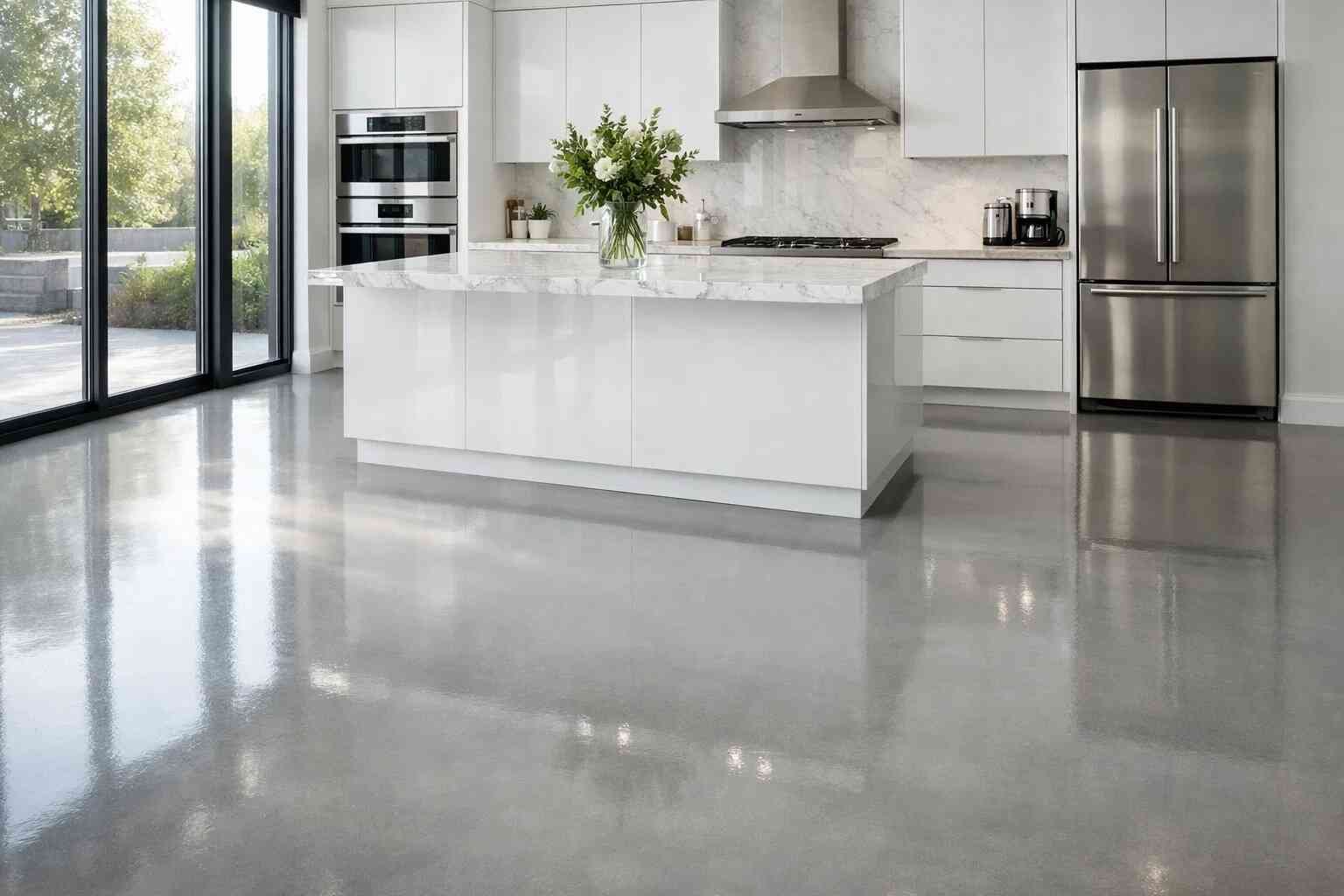
A resin floor is a modern flooring solution created by mixing chemicals to form a durable, seamless, and smooth surface. Poured as a liquid, it hardens to create a tough finish that bonds directly with the substrate beneath it, most commonly concrete. Think of it as a liquid-to-solid transformation that results in a perfectly level and joint-free floor.
In 2025, the demand for resin flooring is surging for both homeowners and commercial property managers. Its unique combination of industrial-grade durability and high-end design flexibility makes it a compelling choice. From sleek residential kitchens to high-traffic warehouses, its appeal is broad. This guide provides a complete overview, explaining the different types of resin floors, breaking down 2025 costs, detailing the installation process, and weighing the pros and cons to help you make an informed decision.
What Is a Resin Floor & How Does It Work?
At its core, a resin floor is a synthetic surface created by blending a resin (like epoxy or polyurethane) with a hardener. This chemical reaction, known as curing, turns the liquid mixture into an extremely strong and resilient solid layer. This layer is applied directly over a prepared subfloor, usually concrete, creating a seamless and non-porous finish.
Resin Flooring Explained for Beginners
The process starts with a base layer of liquid resin that is poured and spread across the floor. As it cures, the molecules cross-link and bond together, forming a hard-wearing surface that is integrally part of the building’s structure. Unlike tiles or wood planks that are laid individually, a resin floor becomes one continuous sheet of material.
For example, a garage floor is often subjected to oil spills, hot tires, and heavy tools being dropped. A standard concrete floor will stain and crack under this stress. Applying a resin coating over it seals the concrete, provides chemical resistance, and creates a surface that is incredibly easy to clean. The liquid resin fills every pore and imperfection in the concrete, resulting in a perfectly smooth, protective shield.
Resin Floor vs Traditional Flooring
Traditional flooring options like tiles, concrete, and vinyl have been staples for decades, but resin offers distinct advantages. Tiles have grout lines that trap dirt and bacteria, while vinyl can peel or tear. Polished concrete is durable but remains porous and can stain easily if not meticulously sealed and maintained.
The key difference with a resin floor is its seamless nature. With no joints or grout lines, there’s nowhere for dirt, moisture, or bacteria to hide. This makes it an exceptionally hygienic option. Furthermore, its bond with the subfloor and inherent strength provide a level of durability and impact resistance that many traditional materials cannot match, especially in demanding environments.
Types of Resin Floors (Epoxy, PU & MMA)
Choosing the right type of resin is crucial, as each has specific properties suited for different applications. The three main types are Epoxy, Polyurethane (PU), and Methyl Methacrylate (MMA). Understanding their differences will ensure you select the best material for your space.
Epoxy Resin Floors
Epoxy is the most well-known type of resin flooring. It is a rigid, high-gloss system known for its exceptional hardness and compressive strength. This makes it a fantastic choice for areas that need to withstand heavy static loads, such as warehouses with racking, manufacturing plants, and residential garages. Epoxy bonds extremely well to properly prepared concrete and offers excellent chemical resistance to spills like oil and cleaning agents.
Polyurethane (PU) Resin Floors
Polyurethane floors are more flexible and elastic than epoxy. This flexibility gives them better resistance to impact and abrasion, as they can absorb shocks without cracking. PU is also more resistant to temperature fluctuations and UV exposure, making it suitable for areas with direct sunlight or thermal cycling, like food processing facilities with freezers and ovens. Its scratch resistance is generally higher than epoxy’s, making it a good fit for high-traffic public areas.
MMA Resin Flooring
Methyl Methacrylate (MMA) is the specialist of the resin world, known for one standout feature: its incredibly fast curing time. An MMA floor can be fully installed and cured in just a few hours, making it the perfect solution for businesses that cannot afford downtime, such as busy restaurants, hospitals, or retail stores. It can also be installed in very low temperatures. While it is the most expensive option and has a strong odor during installation, its speed is unmatched.
Resin Type | Best Use Case | Key Feature |
|---|---|---|
Epoxy | Garages, Warehouses, Factories | Extreme Hardness & Compressive Strength |
Polyurethane (PU) | Food Production, High-Traffic Areas | Flexibility & Scratch Resistance |
MMA | 24/7 Operations, Cold Environments | Ultra-Fast Curing Time |
Resin Floor Cost in 2025 (USA Price Breakdown)
Understanding the cost of a resin floor is essential for budgeting. Prices can vary significantly based on several factors, but it’s important to look at it as a long-term investment. The figures below are based on 2025 market averages in the USA and should be used as a general guide.
Average Resin Floor Cost per Square Foot
For a professionally installed resin floor, you can expect to pay between $5 and $12 per square foot. This range typically covers basic, single-color epoxy or polyurethane systems.
- DIY Installation: DIY kits are available for as little as $2 to $4 per square foot. However, this price only includes the materials. The quality of the final result depends entirely on your skill level and the thoroughness of your surface preparation.
- Professional Installation: For more complex designs, such as metallic finishes, multi-color flakes, or intricate patterns, the cost can rise to $15 to $30+ per square foot. These high-end installations are a form of artistry and require specialized expertise.
Factors That Affect Resin Floor Pricing
The final quote you receive will depend on several variables. Professional installers will assess these during a site visit.
- Area Size: Larger projects may have a lower cost per square foot due to economies of scale, but the overall project cost will naturally be higher.
- Surface Preparation: This is the most critical and often most costly factor. If the existing concrete is cracked, uneven, or contaminated with oil, it will require extensive grinding, patching, and cleaning. A pristine, new concrete slab will cost less to prepare.
- Resin Type: As discussed, MMA is the most expensive resin, followed by high-performance polyurethane systems. Standard epoxy is typically the most budget-friendly option.
- Design Complexity: A simple, solid-color floor is the baseline. Adding decorative elements like colored flakes, quartz aggregates, or metallic pigments increases material and labor costs.
Resin Floor Installation Process (Step-by-Step)
A successful resin floor installation is all about meticulous preparation and application. While the steps may seem straightforward, professional installers emphasize that precision is key. Skipping or rushing any stage can lead to floor failure.
Surface Preparation (Most Important Step)
According to industry experts, over 80% of resin floor failures are due to improper surface preparation. The goal is to create a clean, dry, and porous surface for the resin to bond with.
- Cleaning & Degreasing: The floor must be free of all oils, grease, and other contaminants.
- Grinding or Shot Blasting: The top layer of concrete is mechanically removed to open its pores. This creates a profile similar to sandpaper, allowing the resin to grip effectively.
- Repair Work: All cracks, holes, and joints must be filled and smoothed out.
- Moisture Testing: Concrete must be dry. If moisture vapor transmission from the slab is too high, a special moisture-mitigating primer is required to prevent the resin from bubbling or delaminating.
Resin Application & Curing
Once the surface is perfectly prepared, the resin application can begin. This is a time-sensitive process that requires a coordinated team.
- Step 1: Priming: A primer coat is applied to seal the concrete and enhance the bond with the subsequent layers.
- Step 2: Body Coat Application: The main resin mixture (e.g., epoxy or PU) is poured onto the floor and spread evenly using squeegees and rollers. For decorative floors, this is when flakes or metallic pigments are added.
- Step 3: Top Coat Application: After the body coat has cured sufficiently, one or more top coats are applied. This final layer provides the wear resistance, UV stability, and desired finish (e.g., gloss or matte).
- Step 4: Curing: The floor is left to cure. Light foot traffic may be possible within 24 hours, but full chemical and mechanical resistance can take up to 7 days, depending on the specific product and ambient temperature.
Common Mistakes to Avoid:
- Applying resin to a damp or unprepared surface.
- Incorrectly mixing the resin and hardener.
- Applying the coat too thickly or too thinly.
Benefits of Resin Flooring
Resin flooring offers a unique combination of practical and aesthetic advantages that make it a superior choice for many applications. From its incredible strength to its design possibilities, the benefits are compelling for both residential and commercial properties.
Durability & Longevity
Resin floors are exceptionally tough. Formulated to withstand heavy machinery, constant foot traffic, and chemical spills, they are built to last. When installed correctly, a resin floor can last for decades with minimal maintenance. Professional installers often note that epoxy and polyurethane systems in industrial settings easily endure 10-20 years of harsh use before needing a simple recoat, which is far more cost-effective than a full replacement. This longevity provides an excellent return on investment.
Seamless & Hygienic Surface
The most visually striking feature of a resin floor is its smooth, continuous surface. There are no grout lines or seams where dirt, dust, and bacteria can accumulate. This makes cleaning incredibly simple—a quick sweep and mop are all that’s needed. This hygienic quality is why resin floors are a standard requirement in hospitals, commercial kitchens, and pharmaceutical labs, where cleanliness is non-negotiable.
Design & Finish Options
Modern resin systems offer limitless design potential. You are no longer restricted to a single gray color. Floors can be customized with an enormous range of colors, patterns, and finishes.
- Decorative Flakes/Chips: Small colored flakes are broadcast into the wet resin to create a textured, multi-tonal look similar to terrazzo or granite.
- Metallic Pigments: Special pigments are mixed into the resin to create a dramatic, three-dimensional, swirling effect that looks like molten metal or flowing marble.
- Matte or Gloss Finish: The final top coat can be customized to be high-gloss, semi-gloss, or matte, depending on the desired aesthetic and slip-resistance requirements.
Resin Floor Pros and Cons (Honest Comparison)
To make an informed decision, it is vital to look at both sides of the coin. While resin flooring has many powerful benefits, it also has some drawbacks that need to be considered. A transparent understanding of these points is crucial for setting realistic expectations.
Advantages of Resin Floors
- Extreme Durability: Highly resistant to wear, impact, and abrasion, making it ideal for high-traffic areas and industrial environments.
- Chemical Resistance: Protects the underlying concrete from damage caused by spills of oil, grease, acids, and cleaning solvents.
- Hygienic and Easy to Clean: The seamless, non-porous surface prevents the growth of mold and bacteria and can be cleaned effortlessly.
- Aesthetic Versatility: Available in a vast array of colors, finishes (metallic, flake, quartz), and sheens (gloss, matte) to suit any design vision.
- Longevity: A professionally installed resin floor can last for 20 years or more with proper care, offering excellent long-term value.
Disadvantages You Should Know
- Complex Installation: The process is labor-intensive and highly sensitive to surface preparation, temperature, and humidity. It is not a simple DIY project for beginners.
- Strong Odor During Application: Most resin systems, especially MMA and some epoxies, emit strong fumes during installation. The area must be well-ventilated, and it is not suitable for occupation until cured.
- Potential for Slipping: High-gloss finishes can be slippery when wet. Anti-slip additives can be incorporated into the topcoat to improve traction, but this can slightly alter the final look and feel.
- UV Sensitivity (Epoxy): Standard epoxy resins tend to yellow or “amber” over time when exposed to direct sunlight. For areas with high UV exposure, a UV-stable polyurethane topcoat is essential.
- Cost: The initial investment can be higher than for some traditional flooring options like vinyl or basic tile, especially when extensive surface preparation is required.
Best Places to Use Resin Floors
The versatility of resin flooring allows it to be used in a wide range of settings, from stylish homes to heavy-duty industrial facilities. The key is to match the right resin system to the specific demands of the environment.
Residential Use (Garages, Kitchens, Basements)
In homes, resin floors are moving beyond the garage and into the main living spaces.
- Garages: This is the classic application. An epoxy floor coating transforms a dusty, stained concrete slab into a clean, durable, and attractive workshop or parking area. It resists hot tire pickup and oil spills.
- Kitchens & Bathrooms: The seamless and waterproof nature of resin makes it a perfect choice for areas prone to spills and moisture. A smooth polyurethane floor is easy to sanitize and can be designed to match any modern kitchen aesthetic.
- Basements: Resin provides a durable, moisture-resistant barrier for basement floors, which are often damp and prone to flooding. It creates a finished, usable living space where carpet or wood might fail.
Commercial & Industrial Use
In the commercial world, resin flooring is a workhorse valued for its performance under pressure.
- Warehouses & Logistics Centers: The floor needs to withstand constant traffic from forklifts and heavy pallets. A hard-wearing epoxy or PU system provides the necessary durability and abrasion resistance.
- Hospitals & Healthcare Facilities: Hygiene is paramount. Seamless resin floors are easy to sterilize and meet the strict cleanliness standards required in operating rooms and patient areas.
- Food & Beverage Production: These facilities require floors that are temperature-resistant, easy to clean, and can handle chemical wash-downs. Thermal-shock-resistant polyurethane concrete systems are the industry standard here.
- Retail Stores & Showrooms: For these spaces, aesthetics and durability are equally important. A metallic epoxy or decorative flake floor can create a stunning first impression that stands up to heavy foot traffic.
Resin Floor Maintenance & Lifespan
One of the most appealing aspects of a resin floor is its low maintenance and long service life. With a little bit of straightforward care, your floor can look and perform its best for many years.
How Long Does a Resin Floor Last?
The lifespan of a resin floor depends on the quality of the installation, the type of resin used, and the level of traffic it endures.
- Residential Environments (e.g., Garage): 15 to 25+ years.
- Commercial Environments (e.g., Retail Store): 10 to 20 years.
- Heavy Industrial Environments (e.g., Factory): 7 to 15 years.
It is important to note that even when the floor starts to show wear, it rarely requires a full replacement. Usually, a professional can lightly sand the surface and apply a new top coat, refreshing the floor for a fraction of the original cost.
Cleaning & Maintenance Tips
Maintaining a resin floor is simple. The goal is to keep it free of abrasive grit that can scratch the surface over time.
- Daily Maintenance: Sweep or use a dust mop to remove dirt and dust. This is the single most effective thing you can do to preserve the finish.
- Weekly Maintenance: Mop the floor using a pH-neutral cleaner and a microfiber mop. Harsh, acidic, or highly alkaline cleaners can dull the finish over time. Avoid soap-based cleaners that can leave a slippery film.
- Yearly/As-Needed Maintenance: For deep cleaning or to remove scuffs, you can use a soft-bristled auto-scrubber. Check the floor for any deep scratches or gouges that might need a small touch-up from your installer to prevent moisture from getting underneath. Place mats at entrances to trap dirt and protect the floor from outdoor grit.
DIY Resin Floor vs Professional Installation
The decision between a DIY project and hiring a professional is a critical one for resin flooring. While DIY kits seem tempting due to their lower upfront cost, the reality is that resin installation is a technical process where experience matters significantly.
When DIY Makes Sense
A DIY approach can be suitable for small, straightforward projects where the stakes are relatively low and the existing concrete is in good condition.
- Small Garage Floors: If you have a one or two-car garage with a clean, level concrete slab, a high-quality DIY epoxy kit can yield good results.
- Workshops or Utility Rooms: For small, non-critical areas, a DIY application can be a cost-effective way to seal and protect the floor.
However, even in these cases, you must be prepared for the demanding physical labor of surface preparation (renting a concrete grinder is highly recommended) and be ready to work quickly and precisely once the resin is mixed. Safety is also a major concern; proper ventilation and personal protective equipment (PPE) like respirators and gloves are non-negotiable.
When to Hire Professionals
For most situations, professional installation is the recommended path. The expertise and specialized equipment they bring are invaluable.
- Large or Complex Areas: Professionals have the manpower and tools to cover large surfaces efficiently and achieve a consistent finish.
- Poor Concrete Condition: If your floor has cracks, is uneven, or has moisture issues, a professional is needed to diagnose and properly correct these problems before application.
- Decorative Finishes: Achieving a flawless metallic or multi-color flake finish requires an artistic touch and techniques that only come with experience.
- Guaranteed Results: Reputable installers provide a warranty for their work. If the floor fails due to an installation error, they are responsible for fixing it. With a DIY project, you bear all the risk and cost of failure.
Is a Resin Floor Worth It in 2025?
After considering the types, costs, installation, and maintenance, the final question is whether a resin floor is a worthwhile investment. For the right application, the answer is a resounding yes. The long-term value it provides often outweighs the initial installation cost.
When you compare the cost of a professionally installed resin floor to its expected lifespan of 20+ years, the return on investment becomes clear. Traditional flooring like VCT or carpet may need to be replaced 2-3 times in the same period. The money saved on cleaning, repairs, and replacement makes resin a financially sound choice over the long term.
A resin floor is the ideal solution for anyone who prioritizes durability, hygiene, and design flexibility. It is an excellent choice for homeowners looking to create a premium garage or a modern, seamless living space. For business owners, it is a practical necessity in environments where performance and safety cannot be compromised. While it may not be the cheapest option upfront, its longevity and low maintenance make it a smart, valuable, and high-performing investment for 2025 and beyond.
FAQs About Resin Floors
What is a resin floor?
A tough, seamless floor made by curing liquid resin over a base—common types are epoxy, PU, and MMA.
How much does a resin floor cost?
For 2025, basic installs: $5–$12/sq ft; decorative: $15–$30+. DIY is usually cheaper.
How long do they last?
Typically 15–25 years at home, 10–20 years commercially.
Can you install over concrete?
Yes, with proper cleaning and prep, resin floors bond well to concrete.
Yes, after proper cleaning and preparation, resin floors bond well to concrete.
Conclusion
Resin flooring stands out as a reliable, stylish, and long-lasting solution for both homes and businesses. It delivers unmatched durability, simple cleaning, and plenty of design options, making it a smart upgrade anywhere you need a strong, seamless surface.
We discussed the main types—epoxy, PU, and MMA—their best uses, and honest pros and cons. Upfront costs can be higher than other floors, but the lifespan and minimal upkeep offer great value in the long run.
Overall, if you want a future-proof floor that combines toughness, safety, and a modern look, resin flooring is well worth considering in 2025 and beyond.