
 By Admin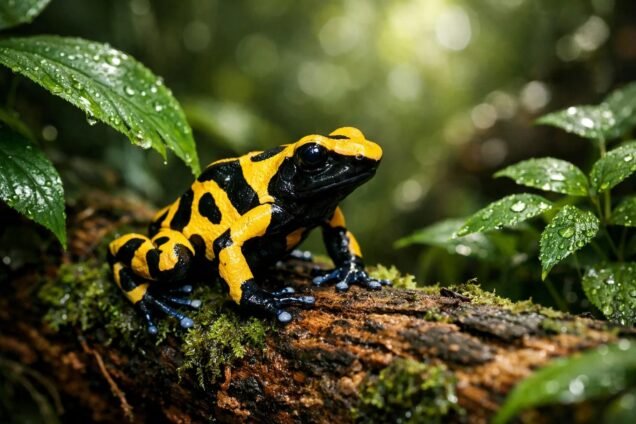
In the intricate and ruthless web of life, survival often hinges on the most unique and surprising adaptations. One of the most fascinating of these strategies is kleptotoxicity. This is a sophisticated biological phenomenon where certain species, rather than expending energy to create their own chemical defenses, steal toxins from their environment or prey. They then repurpose these stolen weapons for their own defense, effectively turning their enemy’s ammunition into their own shield.
Unlike organisms that biologically synthesize their own venoms or poisons—a process that can be metabolically expensive—kleptotoxic species rely entirely on external sources. This makes it a highly specialized, energy-efficient, and risky adaptation that has evolved independently across various branches of the animal kingdom. From the depths of the ocean to the canopy of the rainforest, these “toxin thieves” have mastered the art of chemical warfare without manufacturing a single chemical themselves.
Why does kleptotoxicity matter in 2026? As global ecosystems face unprecedented challenges due to climate change, pollution, and rapid habitat loss, understanding the delicate balance of how species adapt and survive is more critical than ever. Kleptotoxicity offers profound insights into predator-prey dynamics, co-evolution, and ecological resilience. It raises crucial questions about how these species might fare if their toxic food sources disappear due to environmental shifts.
In this comprehensive guide, you will learn:
- The precise mechanics of what kleptotoxicity is and how it functions biologically.
- Detailed profiles of famous and obscure kleptotoxic species in nature.
- The evolutionary calculus behind why species choose theft over production.
- Comparative analysis of how kleptotoxicity stacks up against other defense mechanisms like mimicry and camouflage.
By the end of this article, you’ll have a deeper appreciation for this remarkable survival strategy and its pivotal role in the natural world.
Quick Overview: What Is Kleptotoxicity?
Kleptotoxicity is a biological strategy where an organism acquires toxins from external sources, such as toxic prey (like ants or jellyfish) or plants, instead of producing them internally. These sequestered toxins are then stored in the body and deployed for defense, survival, or warning signaling. It is a highly specialized evolutionary adaptation observed in diverse species, most notably poison dart frogs, monarch butterflies, and nudibranchs (sea slugs).
What Is Kleptotoxicity? (Clear Scientific Explanation)
Meaning of the Term “Klepto” + “Toxicity”
The scientific term kleptotoxicity is a compound word derived from two distinct roots. “Klepto” comes from the Greek word kleptein, meaning “to steal”—the same root found in “kleptomania.” “Toxicity” refers to the quality of being poisonous or harmful. Therefore, quite literally, the term describes the act of stealing poison. It is also sometimes referred to in scientific literature as sequestered chemical defense or dietary sequestration.
How Organisms Acquire Toxins
The distinction between a poisonous animal and a kleptotoxic one lies in the origin of the weapon. Unlike venomous species (like cobras or scorpions) that have specialized glands to synthesize complex proteins and enzymes, kleptotoxic organisms are often born harmless. They acquire their lethality through their lifestyle:
- Consumption: They consume toxic prey or plants that contain specific chemical compounds (alkaloids, cardiac glycosides, etc.).
- Sequestration: Instead of excreting these chemicals or being harmed by them, they actively transport the toxins to specific parts of their body.
- Deployment: They utilize these stored chemicals to make themselves unpalatable or lethal to potential predators.
Passive vs. Active Toxin Acquisition
Toxin acquisition generally falls into two categories:
- Passive acquisition: This occurs when an organism ingests toxins that happen to be present in its diet, without necessarily seeking them out specifically for defense. Over evolutionary time, the species adapts to tolerate and store these chemicals.
- Active acquisition: This is a more targeted behavior where the organism selectively seeks out specific toxic food sources. In some cases, animals will travel great distances or ignore non-toxic food in favor of toxic variants to replenish their chemical arsenal.
Role of Toxins in Defense, Survival, and Signaling
The stolen toxins serve as a multi-functional toolkit for survival:
- Defense: The primary use is deterring predation. A predator that tastes a bitter or painful chemical is likely to release the prey immediately.
- Survival: By becoming toxic, these species reduce the number of potential predators, allowing them to forage more openly.
- Signaling: Many kleptotoxic species couple their toxicity with aposematism—bright, warning coloration. The toxins back up the threat promised by their vivid colors.
Kleptotoxicity is considered a specialized adaptation because it is not as simple as just eating poison. It requires a complex suite of physiological traits: resistance to the toxin (to avoid self-poisoning), transport mechanisms to move the toxin from the gut to the skin or glands, and long-term storage capabilities.
How Kleptotoxicity Works in Nature
Step-by-Step Process of Toxin Acquisition
The journey of a toxin from a prey item to a predator’s skin is a marvel of biological engineering.
- Ingestion: The process begins when the predator eats a toxic organism. For a poison dart frog, this might be a microscopic mite rich in alkaloids.
- Digestion and Extraction: As the prey is digested, the toxins are released in the gut. While nutrients are absorbed for energy, the toxins are identified by the body’s chemical receptors.
- Transport: Carrier proteins bind to the toxin molecules in the bloodstream, ferrying them away from vital organs where they could cause damage.
- Sequestration: The toxins are deposited in “safe” zones—usually the skin, specialized glands, or exoskeletons.
- Concentration: The organism often concentrates the toxin to levels far higher than what was found in the original prey, making the thief more dangerous than the victim.
Digestive Resistance to Toxins
One of the biggest questions scientists ask is: “Why doesn’t the thief die?” Kleptotoxic species have evolved remarkable digestive resistance. This can involve:
- Target Site Mutation: The specific receptors that the toxin would normally attack (like ion channels in nerve cells) are slightly mutated, so the toxin cannot bind to them effectively.
- Metabolic Detoxification: Enzymes usually break down poisons, but in kleptotoxic species, these enzymes might be modified to sequester the toxin rather than destroy it.
- Protective Gut Linings: Physical barriers that prevent the toxin from entering the bloodstream indiscriminately.
Storage of Toxins in Tissues or Glands
Storage is strategic. If the goal is to deter a predator, the toxin needs to be on the outside.
- Amphibians store toxins in granular glands in their skin. When agitated, they sweat the poison out.
- Insects might store toxins in their hemolymph (blood) or in specific tissue compartments that rupture when bitten.
- Marine life like nudibranchs store stinging cells (nematocysts) in cerata (finger-like projections) on their backs, perfectly positioned to strike a biting fish.
Limitations and Risks of Holding Toxins
Holding onto weapons of mass destruction is biologically expensive and risky.
- Dependence: If the specific prey disappears, the predator loses its defense. Captive-born poison dart frogs are famously non-toxic because they are fed crickets, not Amazonian ants.
- Autotoxicity: If the storage mechanism fails or the animal suffers an injury, the toxins could leak into sensitive areas, potentially harming the host.
Kleptotoxic Species: Real Examples from the Wild
Poison Dart Frogs (Dendrobatidae)
Perhaps the most iconic example, these jewel-toned frogs of Central and South America are masters of theft.
- Source: They do not make their own batrachotoxin. They steal it from a diet of Melyrid beetles, ants, and millipedes found in the leaf litter.
- Potency: The Golden Poison Frog (Phyllobates terribilis) carries enough toxin to kill 10 grown men.
- Mechanism: They have evolved modified sodium channels in their muscles and nerves that are immune to the toxin, allowing them to accumulate it safely in their skin glands.
Monarch Butterflies (Danaus plexippus)
The Monarch is the classic textbook example of insect kleptotoxicity.
- Source: As caterpillars, they feed almost exclusively on milkweed (Asclepias), which contains toxic cardiac glycosides.
- Retention: These toxins remain in their system through metamorphosis. When the beautiful adult butterfly emerges, it retains the toxins in its wings and body.
- Defense: A bird that eats a Monarch will vomit violently and learn to avoid the bright orange and black pattern in the future.
Sea Slugs (Nudibranchs)
The “Blue Dragon” (Glaucus atlanticus) is a terrifyingly beautiful example.
- Source: It feeds on the Portuguese Man o’ War, a highly venomous colonial organism.
- Theft: Instead of digesting the Man o’ War’s stinging cells (nematocysts), the slug passes them from its gut to the tips of its cerata.
- Concentration: Because the slug eats many tentacles, it concentrates the stinging cells, making its sting far more painful and dangerous than the Man o’ War itself.
Birds and Insects Showing Partial Traits
Kleptotoxicity isn’t always an “all or nothing” trait.
- The Pitohui Bird: Found in New Guinea, the Hooded Pitohui has neurotoxic alkaloids in its skin and feathers—the same class of toxins found in poison dart frogs. It is believed they acquire this from Choresine beetles.
- Rhabdophis Snakes: The Asian keelback snake eats toxic toads and sequesters the toad’s toxins in neck glands (nuchal glands). If they don’t eat toads, they have no defense.
Kleptotoxicity vs Other Defense Mechanisms
Kleptotoxicity vs Venom Production
The difference is origin.
- Venom: The animal builds the weapon (e.g., a rattlesnake synthesizing venom proteins). This ensures a constant supply but costs high metabolic energy.
- Kleptotoxicity: The animal steals the weapon. This is cheap on energy but relies entirely on finding the right food.
Kleptotoxicity vs Camouflage
- Kleptotoxicity (Aposematism): This is “loud” defense. The animal wants to be seen. “I am here, and I am dangerous.”
- Camouflage (Crypsis): This is “quiet” defense. The animal wants to disappear. “I am not here.”
- Comparison: Kleptotoxicity allows for bolder behavior (foraging in the open), while camouflage restricts movement to maintain the illusion.
Kleptotoxicity vs Mimicry
- Batesian Mimicry: A harmless animal looks like a toxic one (a lie).
- Müllerian Mimicry: Two toxic animals look like each other (mutual reinforcement).
- Kleptotoxicity: The animal provides the basis for mimicry. It is the model that others copy. Without the genuine threat of the kleptotoxic animal, the mimic’s disguise would be useless.
Active vs Passive Defense Mechanisms
Kleptotoxicity bridges the gap. The acquisition is active (hunting specific prey), but the defense is often passive (being bitten triggers the release). However, some animals, like the Asian keelback snake, will actively arch their necks to present the gland to a predator, turning it into an active behavioral defense.
Which Strategy is More Energy-Efficient?
Kleptotoxicity wins on energy efficiency. Synthesizing complex chemical compounds requires calories, proteins, and cellular machinery. Stealing them only requires the ability to eat and not die. However, it loses on reliability—if the food source runs out, the defense vanishes.
Evolutionary Advantages of Kleptotoxicity
Energy Savings Compared to Toxin Synthesis
Evolution is often a game of budget management. By outsourcing the “production cost” of toxins to plants or prey, kleptotoxic species can allocate more energy to other vital functions:
- Growth: Reaching maturity faster.
- Reproduction: Producing more eggs or offspring.
- Foraging: Spending more time finding food rather than resting to synthesize venom.
Increased Predator Avoidance
The combination of toxicity and warning colors (aposematism) creates a “learning event” for predators. Once a predator has a negative experience (bad taste or illness), it avoids that prey type forever. This “educated predator” effect shields not just the individual, but the entire population of that species.
Improved Survival Rates
Statistically, kleptotoxic species often enjoy higher adult survival rates compared to non-toxic relatives. This allows them to live longer lifespans. For example, some tarantula hawks (wasps) and poison frogs live much longer than their non-toxic counterparts because they face fewer predation attempts.
Reproductive Advantages
Because they are less fearful of predators, kleptotoxic species can often engage in more elaborate or exposed courtship behaviors. Poison dart frogs, for instance, can call loudly and fight for territories during the day, whereas non-toxic frogs must hide and only come out at night.
Long-Term Evolutionary Success
This strategy opens up new ecological niches. A species that becomes toxic can invade areas with high predator density where a non-toxic species would be eaten to extinction. It allows for radiation into new habitats, contributing to the species’ long-term persistence.
Disadvantages and Risks of Kleptotoxicity
Dependence on Toxic Prey Availability
This is the Achilles’ heel of kleptotoxicity. The animal is tethered to its food source.
- Habitat Loss: If the specific plant or insect prey goes extinct due to deforestation, the kleptotoxic predator loses its defense, even if the predator itself could technically eat other foods.
- Captivity: Zoos must artificially supplement the diets of these animals to maintain their toxicity, or accept that they will become harmless.
Risk of Poisoning if Toxins are Mismanaged
Evolution is a slow process, and “resistance” isn’t “immunity.” There is a constant physiological stress on the organs to contain these dangerous chemicals. If the storage glands rupture internally due to trauma or disease, the animal can succumb to its own borrowed weapons.
Limited Habitat Adaptability
Kleptotoxic species are often specialists, not generalists. They cannot easily migrate to new environments if those environments lack the specific toxic flora or fauna they require. This makes them highly vulnerable to climate change, which shifts the ranges of plants and insects.
Predators Evolving Resistance
Nature is an arms race. Just as the prey evolves to be toxic, predators evolve to eat them anyway.
- The Garter Snake: Some populations of garter snakes have evolved resistance to the tetrodotoxin found in the rough-skinned newts they eat. This forces the newts to become even more toxic, creating a co-evolutionary cycle.
Metabolic Costs of Toxin Storage
While they save energy on production, they spend energy on storage. Maintaining specialized tissues, producing carrier proteins, and repairing low-level damage caused by the toxins imposes a “maintenance tax” on the organism’s metabolism.
Kleptotoxicity in Marine vs Terrestrial Species
Marine Food Chains and Chemical Warfare
The ocean is the true battlefield of chemical warfare. Marine environments are dense with bioactive compounds.
- Nudibranchs: These soft-bodied slugs would be easy snacks without stolen toxins. They acquire chemicals from sponges, bryozoans, and cnidarians.
- Pufferfish: They acquire the deadly neurotoxin tetrodotoxin through a diet of bacteria-laden shellfish and starfish.
Terrestrial Toxin Sources and Plant Chemicals
On land, plants are the primary manufacturers of chemical weapons (to stop herbivores).
- Insects as Middlemen: Most terrestrial kleptotoxicity involves insects eating plants, and then larger animals (frogs, birds) eating the insects.
- Direct Herbivory: Some insects, like the Monarch caterpillar, go straight to the source.
Differences in Storage Mechanisms
- Marine: Often store toxins in external appendages (cerata) or mucus secretions that dilute into the water to create a “cloud” of defense.
- Terrestrial: Must store toxins internally or in skin glands to prevent them from degrading in dry air or sunlight.
Environmental Exposure Risks
Marine species face the challenge of dilution—their chemical defense can wash away. Terrestrial species face degradation from UV light and oxidation. Furthermore, marine toxins (like those from red tides) can fluctuate wildly based on water temperature, making the toxicity of marine species more variable than terrestrial ones.
Common Misconceptions About Kleptotoxicity
Kleptotoxicity is Not the Same as Venom
The most common confusion is linguistic.
- Venomous: Inject toxins (bite/sting).
- Poisonous: Harmful when touched or eaten.
- Kleptotoxic: Describes how the toxin was obtained (stolen), not how it is delivered. A kleptotoxic animal can be poisonous (frog) or effectively venomous (nudibranch using stinging cells).
Not All Toxic Animals Are Kleptotoxic
The majority of toxic animals—snakes, spiders, scorpions, bees—make their own venom. Kleptotoxicity is the exception, not the rule. It is a specialized niche strategy, not the default for chemical defense.
Toxins Are Not Always Fatal
Pop culture portrays these animals as “touch and die.” In reality, most kleptotoxic defenses are meant to be distasteful or emetic (causing vomiting). Killing the predator is actually bad strategy—if the predator dies immediately, it can’t learn to avoid the species in the future. The goal is to educate, not exterminate.
Kleptotoxic Species Are Not Immune to All Toxins
A poison dart frog is resistant to its own alkaloid toxins, but it could easily be killed by snake venom or a different class of chemical. Their resistance is highly specific like a key in a lock; it doesn’t protect them from every poison in the world.
Why Oversimplification Harms Understanding
Reducing these complex interactions to “it steals poison” ignores the intricate evolutionary steps required. It glosses over the genetic mutations, the physiological adaptations, and the delicate ecological balances that make this phenomenon possible.
Scientific Research and Modern Studies on Kleptotoxicity
Laboratory Toxin Analysis
Modern mass spectrometry allows scientists to identify the exact molecular structure of sequestered toxins. This helps track the toxin back to its original source. For example, researchers can chemically match the alkaloid in a frog’s skin to a specific species of ant living nearby.
Field Studies and Diet Tracking
Ecologists are using DNA barcoding on stomach contents to see exactly what these animals are eating. This has revealed that many “dietary specialists” are actually sampling a much wider variety of toxic prey than previously thought to create a “cocktail” of defenses.
Genetic Resistance Research
CRISPR and gene sequencing are revealing the specific amino acid changes that confer resistance. This has medical applications: understanding how a frog’s nerves resist pain-causing toxins could lead to new non-addictive painkillers for humans.
Ecological Modeling
Scientists are modeling how climate change affects toxic plants. If milkweed becomes less toxic due to rising CO2 levels (a documented phenomenon), will Monarch butterflies lose their defense? These studies connect kleptotoxicity directly to global conservation efforts.
Why Kleptotoxicity is Still Being Studied
It remains a frontier of biology because it involves horizontal transfer—chemicals moving across species barriers. It challenges our understanding of where an organism’s traits really come from: its genes, or its environment?
Pros and Cons of Kleptotoxicity
Pros:
- Efficiency: Bypasses the high metabolic cost of synthesizing complex organic compounds.
- Flexibility: In some species, eating different prey can result in different toxin profiles, potentially allowing adaptation to different predator types.
- Deterrence: Provides a potent shield that allows for open foraging and reduced fear of predation.
Cons:
- Vulnerability: Total reliance on the presence of specific prey items makes the species susceptible to environmental changes.
- Self-Harm Risks: Requires constant physiological maintenance to prevent autotoxicity.
- Geographic Restriction: Limits the species range to areas where the toxic food source exists.
Conclusion: Why Kleptotoxicity Matters in Biology
Kleptotoxicity is a testament to the remarkable ingenuity of evolution. It demonstrates that in the struggle for survival, nature rewards not just strength or speed, but also resourcefulness. By stealing and repurposing the chemical weaponry of their prey, species like the poison dart frog and the nudibranch have carved out a unique space in the hierarchy of life.
Key Takeaways:
- Definition: Kleptotoxicity is the acquisition, storage, and use of external toxins for defense.
- Ecological Role: It is a critical component of complex food webs and predator-prey co-evolution.
- Trade-offs: It offers high energy efficiency but comes with the dangerous risk of dependency on specific food sources.
Understanding kleptotoxicity deepens our appreciation for biodiversity. It reminds us that saving a species often means saving its food web; you cannot conserve the poison dart frog without conserving the tiny, toxic ants it feeds on. As we look to the future, studying these chemical thieves may unlock secrets about adaptation, resilience, and pharmacology that could benefit humanity in unexpected ways.
FAQs About Kleptotoxicity
What is kleptotoxicity in simple terms?
Kleptotoxicity is the biological act of “stealing poison.” It happens when an animal eats a toxic plant or prey item, but instead of digesting the toxin, it stores it in its body to use as a defense against its own predators.
Are all toxic animals kleptotoxic?
No. Most toxic animals, like cobras, black widows, and scorpions, are autotoxic—meaning they produce their own venom or poison using their own metabolism. Kleptotoxicity is a specific sub-category for those that acquire it from their diet.
Which animals are known kleptotoxic species?
The most famous examples include the Poison Dart Frog (dendrobatids), the Monarch Butterfly (and its caterpillar), various species of Nudibranchs (sea slugs), the Tiger Keelback snake, and the Hooded Pitohui bird.
Is kleptotoxicity dangerous to humans?
It can be extremely dangerous. The toxins sequestered by these animals are often potent neurotoxins or cardiotoxins. Handling a wild Golden Poison Frog or eating a toxic pufferfish (fugu) can be fatal to humans without proper precautions.
How do kleptotoxic species avoid poisoning themselves?
They have evolved specific genetic mutations. For example, the receptor sites in their cells where the toxin would normally attach are shaped differently, so the toxin simply bounces off, rendering it harmless to them while still deadly to others.
Is kleptotoxicity more common in insects or marine life?
It is highly prevalent in both, but arguably more diverse in marine life. The ocean is full of soft-bodied organisms (like slugs and worms) that rely on chemical defenses stolen from sponges and cnidarians to survive in a predator-rich environment.
Can kleptotoxicity evolve in new species?
Yes. Evolution is ongoing. If a species begins to tolerate a toxic food source that its competitors cannot eat, and if retaining that toxin offers a survival advantage against predators, natural selection may drive that species toward kleptotoxicity over thousands of generations.
12 Daily Stress Relief Habits That Actually Work — Proven Tips for a Calmer, Happier Life