
 By Admin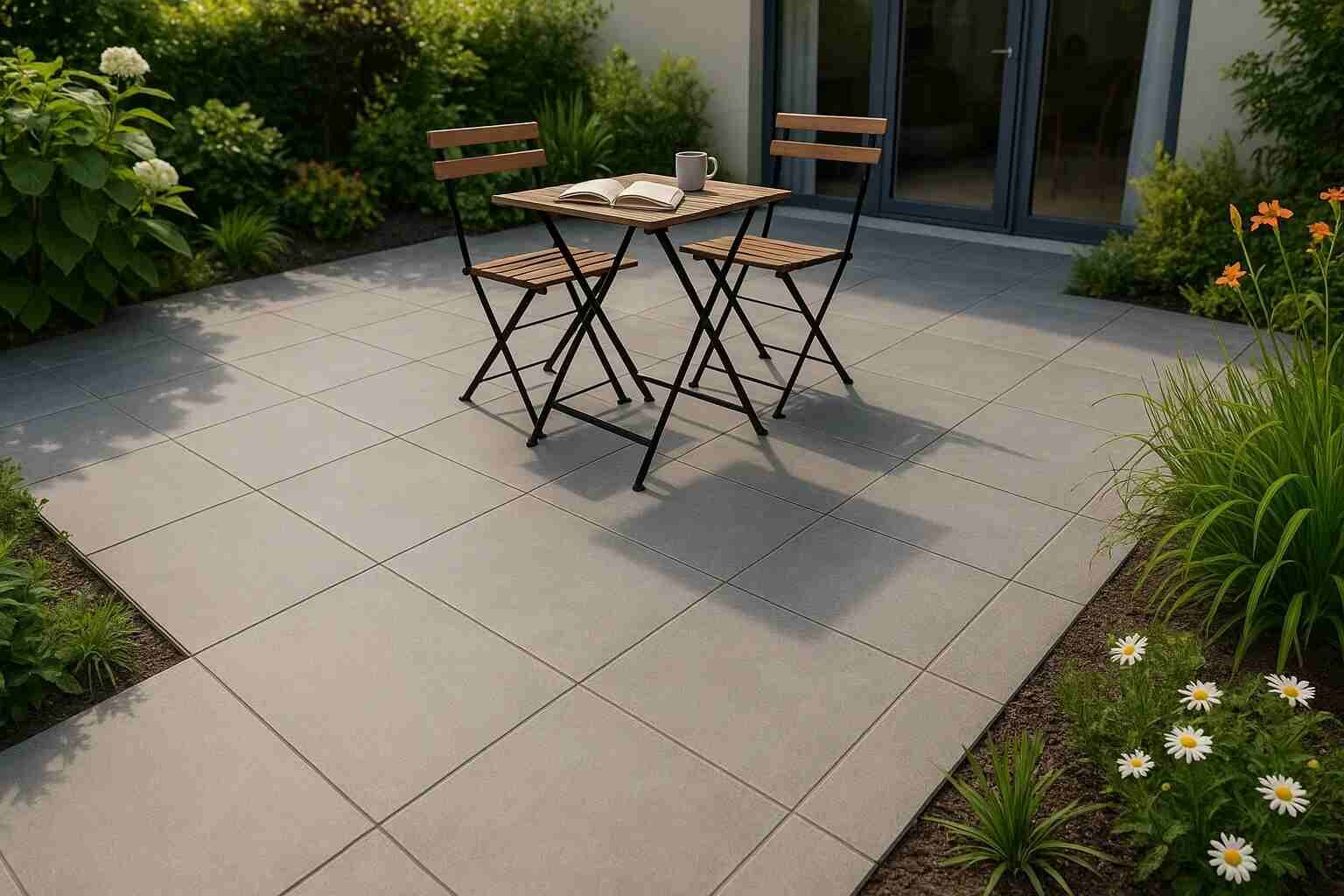
Choosing the right tile for your patio, balcony, or outdoor space can feel overwhelming. You need something that looks great, withstands the elements, and provides a safe surface for family and friends. This guide is designed for homeowners, DIY enthusiasts, and contractors looking for clear, expert advice on exterior ceramic floor tiles. We will explore the critical differences between ceramic and porcelain, demystify technical ratings, and walk you through installation and maintenance. While porcelain is often the default recommendation for outdoor use, modern ceramic tiles can be a viable option in specific situations. This article will give you the knowledge to decide if they are right for your project, helping you balance budget, climate, and style to create a durable and beautiful outdoor living area.
Ceramic vs. Porcelain for Outdoors: What Really Matters
The most common question homeowners ask is whether to choose ceramic or porcelain for an outdoor project. While both are clay-based and fired in a kiln, the key differences lie in their density and water absorption rate, which directly impacts their durability in exterior settings.
Porcelain tiles are made from a finer, denser clay and fired at higher temperatures. This process results in a tile with a very low water absorption rate—typically 0.5% or less. Because it absorbs so little water, porcelain is inherently frost-resistant and less likely to crack during freeze-thaw cycles. This makes it the safer and more durable choice for most outdoor applications, especially in regions with cold winters.
So, when can ceramic be an option? Standard ceramic tile is more porous and absorbs more water, making it vulnerable to cracking if that water freezes and expands. However, some modern ceramic tiles are specifically rated for exterior use. These may be suitable for covered patios or in mild climates where freezing temperatures are not a concern. If you’re considering exterior ceramic floor tiles, it’s absolutely critical to verify that the product is explicitly rated for outdoor installation by the manufacturer.
Ratings & Specs to Check Before Buying
When shopping for outdoor tiles, don’t just rely on looks. The technical specifications printed on the box or product page are your best guide to performance and safety. Understanding these ratings is essential for selecting a tile that will last.
- PEI Rating (Porcelain Enamel Institute): This measures the abrasion resistance and durability of the tile’s glaze. For outdoor residential foot traffic like patios, look for a PEI rating of 3 (light to moderate traffic) or 4 (moderate to heavy traffic). A PEI 5 rating is typically reserved for heavy commercial use.
- Water Absorption Rate: This is the most critical spec for outdoor tile. As mentioned, porcelain has a rate of 0.5% or less, making it “impervious.” Tiles suitable for outdoor use should meet this standard to be considered frost-proof. Always look for a “frost-resistant” or “frost-proof” label.
- COF (Coefficient of Friction): This rating indicates slip resistance. A higher COF means better traction. For outdoor surfaces that can get wet, you need a tile that provides a safe grip. Look for a Dynamic Coefficient of Friction (DCOF) of 0.42 or higher, which is the industry standard for level interior spaces expected to be walked upon when wet. For outdoor patios or pool surrounds, a higher value is even better.
Specification | Covered Patio (Mild Climate) | Exposed Patio (Frost Climate) | Driveway |
|---|---|---|---|
PEI Rating | Class 3+ | Class 4+ | Class 5 |
Water Absorption | < 3% (Exterior Rated) | ≤ 0.5% (Impervious) | ≤ 0.5% (Impervious) |
DCOF (Slip Resistance) | ≥ 0.42 | ≥ 0.50 | ≥ 0.60 |
Frost Resistance | Recommended | Mandatory (“Frost-Proof”) | Mandatory (“Frost-Proof”) |
Best Tile Finishes & Textures for Exterior Use
The finish of your tile affects both its appearance and its safety. For outdoor spaces, slip resistance is a top priority, which means glossy, smooth surfaces are generally a poor choice. Instead, focus on finishes designed to provide traction, even when wet.
Matte finishes are a popular choice, offering a non-reflective, contemporary look with better grip than polished tiles. However, the best option for slip resistance is a textured tile. Manufacturers now produce tiles with subtle, sandblasted, or structured surfaces that mimic the feel of natural stone or wood. These textures create microscopic peaks and valleys that increase the surface area and provide excellent footing. When evaluating textured tiles, run your hand over them and consider how they will feel underfoot. An overly aggressive texture can be uncomfortable for bare feet and harder to clean. Check the product’s COF rating to confirm its performance. A textured, unglazed porcelain tile often provides the highest level of slip resistance, making it ideal for pool decks and rainy climates.
Choosing Tile Thickness, Format & Sizing for Patios and Balconies
The size and thickness of your tile play a significant role in both the final look and the installation requirements. Large-format tiles (those with at least one side longer than 15 inches) are a major trend for 2025, creating a seamless, modern aesthetic with fewer grout lines. However, they come with challenges. Large tiles demand a perfectly flat and level substrate to avoid “lippage”—where one edge of a tile is higher than its neighbor. Any imperfections in the subfloor will be magnified.
For thickness, standard indoor tiles are often 1/4 to 3/8 inches thick. For outdoor use, especially for larger format tiles or areas with moderate traffic, a thicker tile of 1/2 inch or more is recommended for added strength and durability. Some manufacturers also offer extra-thick (2cm or 3/4 inch) porcelain pavers. These can often be dry-laid on sand or gravel or installed on pedestal systems, offering a different installation path that can improve drainage. Always follow the manufacturer’s recommendations for your specific application, as thickness requirements can vary based on tile size and intended use.
Substrate, Drainage & Installation Essentials for Outdoor Tile Longevity
A beautiful tile installation is only as good as the foundation beneath it. Proper substrate preparation and a well-planned installation are crucial for preventing cracks, water damage, and other failures down the road. The substrate must be stable, clean, and properly sloped for drainage. For outdoor patios, a concrete slab is the most common and reliable base.
A critical component of the installation is achieving a gentle slope—typically 1/4 inch per foot—to direct water away from the house and prevent pooling. Use a high-quality, polymer-modified thin-set mortar specifically rated for exterior use and the type of tile you’ve chosen. Pay close attention to grout joints. They should be wider for outdoor installations (at least 3/16 inch) to accommodate thermal expansion and contraction. Expansion joints must also be incorporated into the tile field at regular intervals (typically every 8 to 12 feet in each direction) and around the perimeter to allow the entire installation to move without cracking. Failure to include proper slope and expansion joints is one of the most common causes of outdoor tile failure.
Climate Guides: Northern Frost Climates vs. Southern Hot/Dry Climates
Your local climate dictates the non-negotiable requirements for your outdoor tile. What works in Southern California may fail spectacularly in a Minnesota winter.
For those in northern states with significant freeze-thaw cycles, frost resistance is the top priority. You must use a porcelain tile with a water absorption rate of 0.5% or less. Any water that penetrates the tile can freeze, expand, and cause the tile to crack or delaminate from the substrate. Furthermore, the installation system is key. Using a flexible, crack-isolation membrane between the concrete slab and the tile can help absorb movement and prevent cracks from transferring through to the tile. Ensure your grout and mortar are rated for freeze-thaw stability.
In southern hot and dry climates, frost is less of a concern. Here, the primary challenges are UV radiation and extreme heat. Dark-colored tiles can become incredibly hot in direct sun, making them uncomfortable to walk on. Lighter colors will reflect more heat and stay cooler. You should also check the tile’s colorfastness to ensure the glaze won’t fade or discolor under intense UV exposure. While you may have more flexibility with tile type (an exterior-rated ceramic might suffice on a covered porch), proper expansion joints are still critical to accommodate movement as the tiles heat and cool.
Maintenance, Cleaning & Winter Care for Exterior Ceramic Floor Tiles
Proper maintenance will keep your outdoor tile looking its best and prolong its life. Start with regular sweeping to remove abrasive dirt and debris. For general cleaning, a pH-neutral cleaner and water is usually sufficient. Avoid harsh acid-based cleaners, which can damage the grout and the tile glaze over time.
To prevent moss, mildew, or algae growth, especially in shaded or damp areas, ensure your patio maintains its slope for proper drainage. A periodic scrub with a stiff-bristle brush and a solution of water and vinegar or a specialized outdoor tile cleaner can remove any organic growth. For stubborn stains, identify the source (e.g., grease, rust) and use a targeted cleaner designed for that purpose. Always test cleaners in an inconspicuous spot first. In winter, avoid using rock salt or calcium chloride de-icers on your tile, as they can cause pitting and deterioration of the grout. Use sand for traction instead. Periodically inspect your grout lines for cracks or damage and re-grout as needed to prevent water from seeping underneath the tiles.
Pros & Cons: Exterior Ceramic Floor Tiles
Before making a final decision, it’s helpful to weigh the advantages and disadvantages of using exterior-rated ceramic tile compared to other popular materials.
Pros:
- Cost-Effective: Generally, ceramic tiles are more budget-friendly than porcelain, natural stone, or high-end pavers.
- Design Variety: Ceramic comes in a vast array of colors, patterns, and glazes, offering significant design flexibility.
- Lightweight: It is typically lighter than porcelain or stone, making it easier to handle and install.
Cons:
- Lower Durability: Even when rated for exterior use, ceramic is less dense and more prone to chipping and cracking than porcelain.
- Higher Water Absorption: Ceramic is more porous than porcelain, making it unsuitable for climates with heavy frost unless specifically manufactured and warrantied for it.
- Limited Use Cases: Its use is generally restricted to covered areas or very mild climates without freeze-thaw cycles.
The Verdict: For most exposed outdoor projects in variable climates, porcelain remains the superior choice for its unmatched durability and frost resistance. However, for a budget-conscious project on a covered porch in a warm region, a high-quality, exterior-rated ceramic tile can be a viable and attractive option.
Cost & Budgeting: Cost Per Sqft, Installation vs. DIY
Budgeting for a tile project involves more than just the price of the tile itself. A realistic budget should account for materials, prep work, and labor.
On average, exterior-grade ceramic tiles can range from $2 to $10 per square foot. In comparison, outdoor porcelain tiles typically run from $5 to $25+ per square foot. Materials like thin-set mortar, grout, and any necessary backer board or waterproofing membranes will add another $2 to $4 per square foot.
Professional installation is a significant cost factor, often ranging from $10 to $20 per square foot, depending on your location, the complexity of the job, and the condition of the substrate. While a DIY installation can save considerable money on labor, it requires skill, time, and the right tools. Mistakes in substrate prep or installation can lead to costly failures.
Case Study: 200 sq. ft. Patio Budget
- Low Budget (DIY with Ceramic): $4/sqft tile + $3/sqft materials = $1,400
- Mid-Range (Pro-Installed Porcelain): $8/sqft tile + $15/sqft labor + $4/sqft materials = $5,400
- High-End (Pro-Installed Large-Format Porcelain Pavers): $20/sqft tile + $20/sqft labor + $5/sqft materials = $9,000
Design & Styling Ideas + Inspiration Gallery
Your outdoor tile is a key element of your landscape design. Use it to define a space, add color, or create a seamless transition from indoors to outdoors. For a contemporary look, consider large-format tiles in neutral tones like gray, charcoal, or beige with minimal grout lines. For a more traditional or rustic feel, tiles that mimic natural stone like slate or travertine can add texture and warmth.
Don’t be afraid to mix materials. Pair your tiled patio with a wood deck, create a border with river rock, or integrate artificial turf for a pop of green. The color of your grout also makes a difference. A contrasting grout color will highlight the tile pattern, while a matching color will create a more monolithic, uniform look. Browse online galleries and gather inspiration to find a style that complements your home’s architecture and your personal taste.
Troubleshooting: Cracking, Efflorescence, Lippage
Even with a professional installation, issues can sometimes arise. Knowing how to diagnose them is the first step toward a solution.
- Cracking: A single cracked tile may be due to a dropped object. However, a crack that runs across multiple tiles usually indicates a problem with the substrate, such as a crack in the underlying concrete slab or improper expansion joints. This is a serious issue that often requires removal and re-installation.
- Efflorescence: This appears as a powdery white residue on the surface of the tile or grout lines. It’s caused by water-soluble salts being carried to the surface as moisture evaporates. While unsightly, it’s usually harmless and can often be removed with a stiff brush and water. Persistent efflorescence indicates an ongoing moisture problem beneath the tiles that needs to be addressed.
- Lippage: This is when adjacent tiles are not flush, creating an uneven surface. It is most common with large-format tiles and is caused by an uneven substrate or improper installation technique. Minor lippage may be tolerable, but significant height differences are a trip hazard and usually require replacing the offending tiles.
How to Buy: Checklist, Product Questions to Ask
When you are ready to purchase your tile, go in with a plan. Use a checklist to ensure you cover all your bases and ask the right questions to avoid costly mistakes.
Before you go, measure your space accurately and add 10-15% for cuts and waste. Bring photos of your space and samples of other exterior finishes (siding, paint, etc.). When at the store or speaking with a supplier, ask these questions:
- Is this tile explicitly rated and warrantied for outdoor use in my climate?
- What is its water absorption rating, PEI rating, and DCOF rating?
- What is the recommended grout joint size and what type of mortar should be used?
- Do you recommend a specific sealer for the tile or grout?
- Can I get a sample to take home and test in my space?
Always order a sample. Look at it outdoors in both direct sun and shade to see how the color and texture appear. Pour water on it to test for slipperiness. Buying tile is a major investment, and doing your due diligence upfront is the best way to ensure a successful outcome.
Conclusion
Choosing the right exterior ceramic floor tiles—or deciding if porcelain is the better fit—requires a careful balance of climate considerations, performance needs, and aesthetic goals. While porcelain tile offers superior durability and frost resistance for most outdoor applications, exterior-rated ceramic can be a suitable choice for covered areas in mild climates. The key is to verify the specifications: prioritize a low water absorption rate, a high slip-resistance (DCOF) rating, and a PEI rating appropriate for your expected foot traffic. A successful project hinges on proper installation, from a sloped substrate and polymer-modified mortar to adequate expansion joints. By arming yourself with this knowledge, you can confidently select and install an outdoor tile that not only looks fantastic but also provides a safe, durable surface for years of enjoyment.
Frequently Asked Questions (FAQ)
Can you use ceramic tiles outside?
Yes, but only if they are specifically rated for exterior use by the manufacturer. Standard interior ceramic tile is too porous and will crack in freeze-thaw conditions. For uncovered patios in climates with frost, porcelain tile is a much safer and more durable option.
What is the difference between porcelain and ceramic for outdoor use?
The main difference is water absorption. Porcelain tile has a water absorption rate of 0.5% or less, making it virtually waterproof and frost-proof. Exterior-rated ceramic is more porous and best suited for covered, dry areas in mild climates where freezing is not a concern.
How do I choose anti-slip tiles for a patio?
Look for the DCOF (Dynamic Coefficient of Friction) rating. A DCOF of 0.42 is the minimum for wet areas, but for outdoor patios, it is better to seek a higher value. Tiles with a textured or matte finish offer much better grip than smooth, glossy tiles.
Are outdoor ceramic tiles frost-resistant?
Only if they are explicitly labeled as “frost-resistant” or “frost-proof.” This designation means they have a low water absorption rate that prevents them from cracking when water freezes and expands. Always verify this spec before buying.
What thickness do outdoor floor tiles need?
Standard outdoor tiles are often 3/8 to 1/2 inch thick. For heavy traffic areas or for large-format tiles, a thicker profile provides better durability. Extra-thick (2cm) porcelain pavers are also available and can be installed without mortar.
How do you install ceramic tiles on a concrete patio?
The concrete must be clean, stable, and sloped for drainage (1/4″ per foot). Use a polymer-modified thin-set mortar rated for exterior use. Be sure to incorporate expansion joints every 8-12 feet to allow for thermal movement and prevent cracking.
How do you maintain and clean exterior tiles?
Regularly sweep away debris. Clean with a pH-neutral cleaner and water. To prevent moss or algae in damp areas, ensure good drainage and scrub periodically with a stiff brush. Avoid using de-icing salts in winter, as they can damage the tile and grout.
Also Read:
Safe & Durable Exterior Floor Tiles Non Slip B&Q You Can Trus
Safe & Durable Exterior Floor Tiles Non Slip B&Q You Can Trus