
 By Admin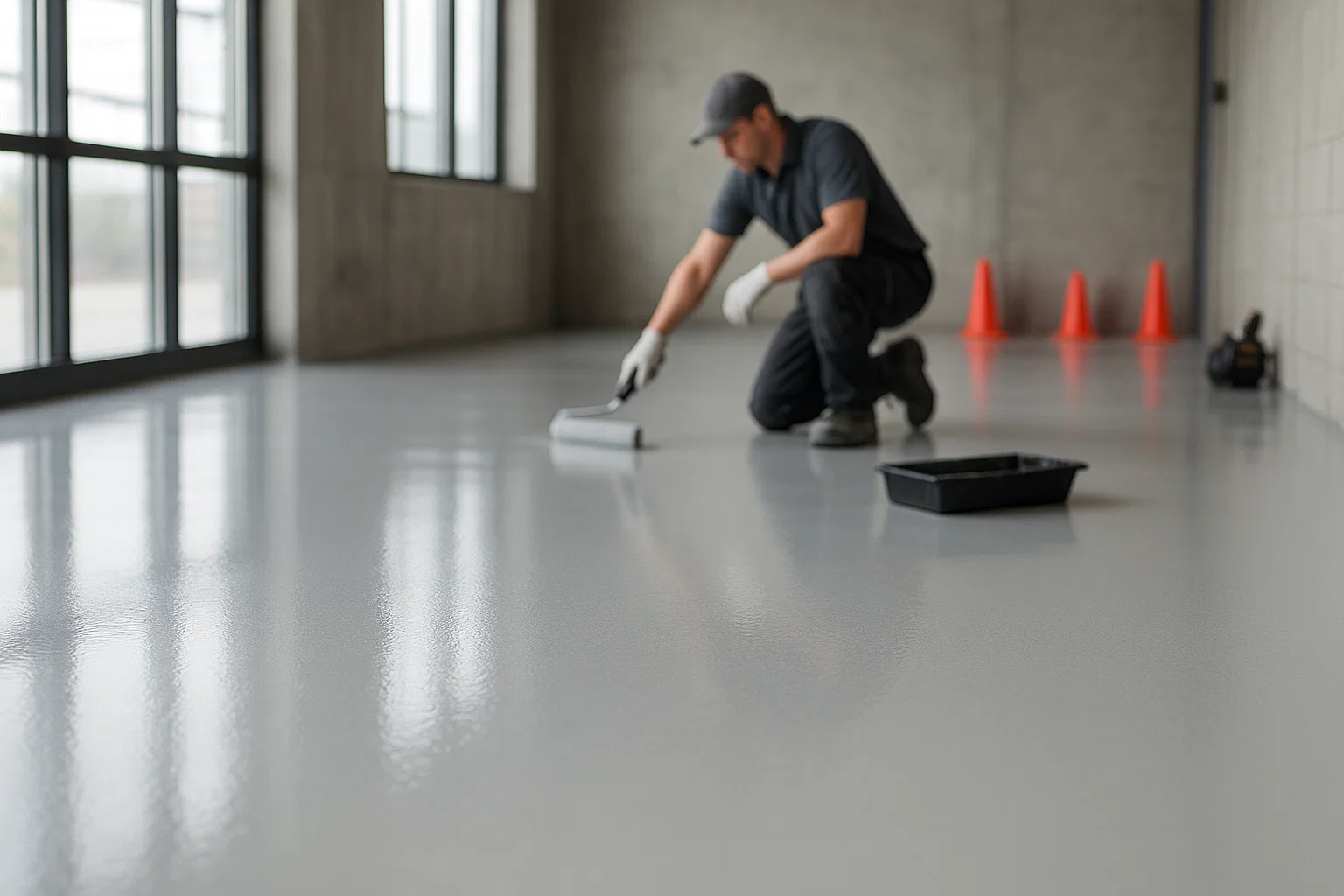
Resinous flooring is a high-performance solution that offers exceptional durability, hygiene, and chemical resistance for demanding commercial, industrial, and even residential environments. For facility managers, contractors, and architects tasked with specifying a floor that can withstand heavy traffic, harsh chemicals, and stringent cleaning protocols, understanding the nuances of these systems is critical. This comprehensive guide provides the details you need, covering everything from the different resin chemistries and installation timelines to real-world costs and long-term return on investment. We will explore the types, applications, performance metrics, and maintenance requirements to help you make an informed decision for your next project.
What is Resinous Flooring?
Resinous flooring is a seamless, poured-in-place flooring system created by mixing a resin (like epoxy, polyurethane, or MMA) with a hardener. Once cured, this chemical reaction forms a hard, plastic-like material that bonds directly to the concrete substrate. Unlike traditional flooring like tile, vinyl, or wood, which have joints and seams that can harbor bacteria and fail under stress, a resinous floor creates a continuous, impervious surface. This makes it an ideal choice for environments where hygiene, durability, and ease of cleaning are paramount.
How Resinous Systems Are Built
The strength and performance of a resinous floor come from its layered construction. A typical system is built in several distinct stages, each serving a specific function:
- Primer: This is the foundational layer. The primer penetrates the prepared concrete substrate to create a strong mechanical bond, sealing the surface and preventing outgassing or bubbling in subsequent coats.
- Body Coat: Applied over the primer, the body coat builds the floor’s thickness and provides its core impact and wear resistance. This is often the layer where decorative elements like quartz or flake can be broadcast.
- Broadcast/Grout Coat: For textured or decorative systems, an aggregate (like colored quartz or vinyl flakes) is broadcast into the wet body coat. A grout coat is then applied to encapsulate the aggregate and create the desired surface profile.
- Topcoat: The final layer serves as the primary barrier against chemicals, abrasion, UV exposure, and moisture. The topcoat determines the floor’s finish (gloss, satin, or matte) and its slip-resistance profile.
Types of Resinous Flooring
The term “resinous flooring” covers several distinct chemistries, each with unique properties, performance characteristics, and ideal use cases. Choosing the right one depends entirely on your facility’s specific needs, from return-to-service time to chemical exposure. The main types include epoxy, polyurethane (PU), methyl methacrylate (MMA), and polyaspartic, with urethane cement being a key solution for demanding environments.
Quick Comparison of Resinous Chemistries
Chemistry | Curing Time | Temp. Tolerance (Service) | Cost Level | Typical Use |
|---|---|---|---|---|
Epoxy | 24–72 hours | 120-150°F (50-65°C) | $$ | Warehouses, garages, light manufacturing |
Polyurethane (PU) | 12–24 hours | -100 to 240°F (-73 to 115°C) | $$$ | Food processing, chemical plants |
Urethane Cement | 12–24 hours | -100 to 250°F+ (-73 to 121°C+) | $$$$ | Thermal shock areas, commercial kitchens |
MMA | 1–2 hours | -20 to 160°F (-29 to 71°C) | $$$$ | Fast-track projects, cold environments |
Polyaspartic | 2–6 hours | -30 to 200°F (-34 to 93°C) | $$$ | Fast-cure topcoats, UV-stable floors |
Epoxy is the most well-known and widely used resin, offering a great balance of durability and cost-effectiveness for many commercial and industrial applications. Polyurethane systems provide superior flexibility, chemical resistance, and thermal shock resistance, making them ideal for harsh environments. Urethane Cement is the heavy-duty champion, built to withstand extreme temperature cycling, high moisture vapor transmission, and aggressive chemical attack. For projects requiring minimal downtime, MMA and Polyaspartic resins offer ultra-fast curing, allowing facilities to return to service in just a few hours.
Where Resinous Floors Are Used
The seamless, durable, and hygienic nature of resinous flooring makes it the preferred choice across a wide range of demanding industries. Its ability to be customized for specific performance needs—from chemical resistance to electrostatic dissipation—allows it to solve challenges that other flooring types cannot. From sterile environments to heavy-duty manufacturing zones, these systems provide a reliable foundation for operations.
Key sectors include:
- Food & Beverage: In commercial kitchens, breweries, and processing plants, floors must withstand thermal shock from hot washdowns, resist acids and sugars, and be completely seamless to prevent bacterial growth. Urethane cement is a common specification here.
- Healthcare & Pharmaceutical: Hospitals, cleanrooms, and laboratories require sterile environments. The seamless surface of resinous flooring is easy to sanitize and does not harbor contaminants. Chemical resistance to harsh disinfectants is also a critical benefit.
- Warehousing & Logistics: These facilities need floors that can endure constant forklift traffic, impacts from dropped pallets, and high abrasion. Epoxy and polyurethane systems provide a tough, long-lasting surface that minimizes dust and is easy to maintain.
- Retail & Commercial Spaces: Showrooms, grocery stores, and public venues benefit from the aesthetic versatility of resinous floors. With decorative flake and quartz options, designers can create attractive, branded environments that are also slip-resistant and durable enough for heavy foot traffic.
- Residential Garages & Basements: Homeowners are increasingly choosing epoxy and polyaspartic coatings for their garages to create a clean, stain-resistant, and visually appealing space that is far superior to bare concrete.
Cost & ROI: What Resinous Flooring Really Costs
When evaluating resinous flooring, looking beyond the initial price per square foot is essential. While the upfront cost of a professionally installed system may be higher than alternatives like VCT or polished concrete, its total cost of ownership is often significantly lower. A true ROI calculation accounts for durability, maintenance savings, and reduced downtime over the floor’s lifespan. Installed costs can range from $5 to $15+ per square foot, depending on the system, surface preparation required, and project size.
A cheap flooring solution that fails prematurely can lead to costly production shutdowns, safety hazards, and repeated replacement expenses. In contrast, a properly specified resinous floor can last for decades with minimal maintenance. This longevity, combined with reduced cleaning costs (no waxing or stripping) and the avoidance of expensive downtime, delivers a strong return on investment.
Example Case Study: Small Warehouse
Consider a 5,000 sq. ft. warehouse that opts for a durable epoxy system over a cheaper sealant.
- Initial Investment: The epoxy system costs more upfront.
- Downtime Avoidance: The epoxy floor withstands forklift abuse and impacts for 10+ years. A cheaper coating would likely fail within 2-3 years, forcing a complete shutdown for replacement. The cost of this lost operational time would far exceed the initial savings.
- Lifecycle Cost: Over a decade, the single epoxy installation proves far more economical than three or four replacements of a lesser coating, not to mention the savings on cleaning labor and materials.
Installation Process: Step-by-Step
A successful resinous flooring installation is 90% preparation. The long-term performance and adhesion of the system depend entirely on a properly prepared concrete substrate. Skipping or rushing these critical steps is the primary cause of flooring failures. The installation process follows a methodical sequence, with timelines varying based on the chosen resin chemistry.
Surface Prep Best Practices
Proper surface preparation creates a clean, sound, and profiled substrate for the resin to bond to. Key steps include:
- Grinding or Shot Blasting: Mechanical preparation is non-negotiable. Diamond grinding or shot blasting removes contaminants, laitance (a weak top layer of concrete), and old coatings. It also creates a “profile” or texture, measured as a Concrete Surface Profile (CSP), which gives the primer a surface to grip.
- Moisture Testing: Excess moisture vapor transmission (MVT) from the concrete slab is a leading cause of delamination and blistering. ASTM testing methods should be used to measure the MVT rate and determine if a moisture-mitigating primer is necessary.
- Crack & Joint Repair: All cracks, spalls, and joints must be properly repaired and filled with a rigid or flexible epoxy filler before the coating is applied.
Typical Timeline by Resin Type
- Epoxy System (3-4 Days):
- Day 1: Surface Prep & Primer
- Day 2: Body Coat & Broadcast
- Day 3: Topcoat
- Day 4: Cure (light traffic in 24 hrs, full service in 72+ hrs)
- MMA System (1 Day):
- Morning: Surface Prep & Primer
- Mid-Day: Body Coat & Broadcast
- Afternoon: Topcoat
- Evening: Full Return to Service (within 2 hours of final coat)
Performance: Durability, Chemical & Abrasion Resistance
The primary reason for specifying a resinous floor is its performance under stress. These systems are engineered to provide exceptional resistance to mechanical wear, chemical attack, and impacts. However, not all systems are created equal. Understanding the performance metrics allows you to match the right flooring chemistry to the specific challenges of your environment. An office hallway has very different needs than a battery charging station or a chemical containment area.
Tests & Specs You Should Ask For
When reviewing a product’s technical data sheet, look for results from standardized ASTM (American Society for Testing and Materials) tests. These provide objective data on a floor’s durability.
- Abrasion Resistance (ASTM D4060): This test measures wear resistance using a Taber Abraser. The result is reported as the amount of material lost (in mg) after a certain number of cycles. A lower number indicates better abrasion resistance. This is critical for floors with heavy forklift or cart traffic.
- Compressive Strength (ASTM C579): This indicates the floor’s ability to withstand static loads without crushing or deforming. High compressive strength is essential for areas with heavy machinery or racking.
- Chemical Resistance (ASTM D1308): This test evaluates a coating’s reaction to various chemicals, such as acids, alkalis, solvents, and disinfectants. Results are often reported as a rating after a set exposure time (e.g., “No effect after 7 days”). Always cross-reference this list with the specific chemicals used in your facility.
Safety & Slip Resistance
In any commercial or industrial setting, preventing slips and falls is a top priority. Resinous flooring, while naturally seamless and easy to clean, can be slippery when wet if not specified correctly. Fortunately, these systems are highly customizable to achieve the desired level of slip resistance for any environment, from a dry warehouse aisle to a constantly wet food production line.
The surface texture is created by broadcasting aggregate into the wet coating and then sealing it with a topcoat. The size, shape, and amount of aggregate used will determine the final slip-resistance profile.
When to Specify an Anti-Slip System and Common Additives
An anti-slip system should be specified in any area prone to moisture, spills, or grease. This includes commercial kitchens, food processing areas, restrooms, loading docks, and entryways. Common additives used to create a textured surface include:
- Quartz Aggregate: Durable and available in various sizes, colored quartz is a popular choice for creating both functional and decorative slip-resistant floors.
- Aluminum Oxide: An extremely hard and sharp aggregate, aluminum oxide provides aggressive slip resistance for the most demanding environments, like oily production areas or ramps.
- Silica Sand: A cost-effective option for creating texture in functional, industrial spaces.
It’s important to balance slip resistance with cleanability. A more aggressive texture will be harder to clean, so the profile should only be as rough as necessary for safety.
Maintenance, Cleaning & Repair
One of the most significant advantages of resinous flooring is its low maintenance burden. The seamless, non-porous surface resists stains and contaminants, eliminating the need for labor-intensive waxing, stripping, or buffing associated with traditional flooring like VCT. A proper cleaning regimen will extend the life of the floor and ensure it continues to perform as intended.
Daily Cleaning Checklist, Chemicals to Avoid, and Repair Approaches
Do’s:
- Use a neutral pH cleaner designed for industrial floors.
- Clean spills promptly to prevent potential staining.
- Use auto-scrubbers with non-abrasive pads for large areas.
- Follow a regular cleaning schedule based on traffic levels.
Don’ts:
- Avoid highly acidic or caustic cleaners unless approved by the flooring manufacturer, as they can dull the finish or damage the topcoat over time.
- Never use abrasive cleaning tools like steel wool or hard-bristled brushes.
- Do not let water stand on the floor for extended periods, especially around transitions and termination points.
Repairs to resinous floors are generally straightforward. Small scratches can often be buffed out or recoated. Deeper gauges or damaged areas can be cut out, prepared, and patched with the same resin system, blending seamlessly with the existing floor.
Sustainability & VOCs
In modern construction and renovation projects, environmental impact is a key consideration for specifiers and building owners. The resinous flooring industry has made significant strides in developing sustainable, low-impact products. This includes formulating systems with low or zero Volatile Organic Compounds (VOCs), which reduces air pollution during and after installation, contributing to better indoor air quality.
Many resinous flooring systems can help projects achieve green building certifications. When specifying a floor, it’s important to look for products that align with these goals.
Certifications & Green Spec Language to Include
- Low-VOC Formulations: Look for systems that are compliant with South Coast Air Quality Management District (SCAQMD) regulations, which are among the strictest in the nation. Many manufacturers offer water-based or 100% solids epoxy and urethane systems that contain zero or near-zero VOCs.
- LEED Contribution: Resinous flooring can contribute to Leadership in Energy and Environmental Design (LEED) credits in several categories, including Indoor Environmental Quality (for low-emitting materials) and Materials & Resources (for durability and long lifecycle).
- Health Product Declarations (HPDs): Some manufacturers provide HPDs, which offer transparent disclosure of a product’s material ingredients and potential health hazards.
Choosing a durable, long-lasting resinous floor is inherently sustainable, as it reduces the waste and resource consumption associated with frequent flooring replacement.
Choosing the Right System: Decision Matrix for Specifiers
Selecting the optimal resinous flooring system requires a careful evaluation of your facility’s unique operational needs. Using a simple decision matrix can help you prioritize factors and narrow down the choices between epoxy, urethane cement, MMA, and other chemistries. Before consulting a flooring expert, consider these key questions to define your project requirements.
Quick Checklist for Floor Specification
- Budget: What is the installed cost per square foot you are working with? Are you prioritizing low initial cost (epoxy) or long-term lifecycle value (urethane cement)?
- Downtime: How quickly does the area need to return to service? Is a weekend shutdown feasible (epoxy/PU), or do you need a full return in a matter of hours (MMA/polyaspartic)?
- Chemical Exposure: What specific chemicals, cleaners, and sanitizers will the floor encounter? Request a chemical resistance chart from the manufacturer.
- Thermal Shock: Will the floor be exposed to hot water washdowns, steam cleaning, or spills from ovens and freezers? If yes, urethane cement is likely necessary.
- Aesthetics: Is this a public-facing area requiring a decorative finish (flake/quartz), or is it a purely functional, industrial space?
- Moisture: Is the concrete slab new (“green”) or known to have moisture issues? A moisture-tolerant primer or a breathable system may be required.
- Slip Resistance: Will the floor be frequently wet or oily? What level of surface texture is needed to ensure employee safety without compromising cleanability?
Real-World Case Studies
Theory is helpful, but seeing resinous flooring in action provides true clarity on its value. Here are two examples of how these systems solve real-world problems.
Project 1: Industrial Manufacturing Plant
A metal fabrication plant was struggling with a bare concrete floor that was dusty, cracked, and difficult to clean. The constant forklift traffic was causing further deterioration and creating safety concerns. They opted for a heavy-duty, abrasion-resistant epoxy system.
- Solution: A 100% solids, high-build epoxy coating with an aggregate broadcast for added durability.
- Result: The new floor eliminated concrete dusting, improved light reflectivity, and provided a tough surface that could withstand the impact and abrasion from heavy machinery and traffic. The seamless surface made cleanup of metal shavings and lubricants fast and efficient.
- Metrics: Installation was completed over a 3-day weekend, minimizing operational downtime. The plant reported a 50% reduction in cleaning time.
Project 2: Retail Showroom
A luxury car dealership needed a floor for its main showroom that was both incredibly durable and aesthetically stunning. The floor had to resist tire marks and chemical drips while reflecting the high-end quality of the vehicles on display.
- Solution: A decorative polyaspartic flake system with a UV-stable, high-gloss topcoat.
- Result: The multi-toned vinyl flake floor created a premium, terrazzo-like appearance. The polyaspartic topcoat provided excellent stain and chemical resistance, and its fast-curing nature allowed the dealership to reopen quickly. The high-gloss finish enhanced the showroom lighting and made the cars pop.
- Metrics: The floor has shown no signs of yellowing from the large showroom windows and requires only daily mopping to maintain its “like new” appearance.
Pros & Cons of Resinous Flooring
To make a balanced decision, it’s important to weigh the advantages and potential drawbacks of resinous flooring systems.
Pros:
- Durability: Extremely resistant to heavy traffic, impact, and abrasion.
- Hygienic: The seamless surface is non-porous and easy to clean, preventing bacterial growth.
- Chemical Resistance: Protects the concrete substrate from acids, alkalis, oils, and solvents.
- Safety: Can be installed with a customized, slip-resistant texture.
- Aesthetics: Available in a wide range of colors, finishes, and decorative styles.
- Low Lifecycle Cost: Long service life and minimal maintenance requirements deliver excellent long-term value.
Cons:
- Upfront Cost: Professional installation can have a higher initial cost than some other flooring types.
- Installation Sensitivity: Success is highly dependent on proper surface preparation and skilled installers.
- Potential for Slipping: Smooth, high-gloss finishes can be very slippery when wet if not properly textured.
- Removal: Because it bonds so tenaciously to concrete, removing a resinous floor can be a difficult and labor-intensive process.
Frequently Asked Questions (FAQ)
What is resinous flooring and how does it differ from epoxy?
Resinous flooring is the broad category of seamless, poured-in-place floor systems. Epoxy flooring is one specific type of resinous flooring. Other common types include polyurethane, MMA, and polyaspartic. Think of “resinous” as the category and “epoxy” as a specific product within it.
What types of resinous flooring are available?
The main types are epoxy, polyurethane (PU), urethane cement, methyl methacrylate (MMA), and polyaspartic. Each has different strengths. Epoxy is a great all-around performer, urethane cement excels in thermal shock resistance, and MMA/polyaspartic are used for rapid-return-to-service projects.
How long does resinous flooring take to install and cure?
Installation and cure times vary widely by chemistry. A standard epoxy system can take 3-5 days to install and fully cure. In contrast, an MMA or polyaspartic system can be installed and returned to full service in a single day, sometimes in just a few hours.
How much does resinous flooring cost per square foot?
The installed cost typically ranges from $5 to $15+ per square foot. The price depends on the system type (epoxy is less expensive than urethane cement), the condition of the existing concrete, the size of the project, and the level of surface preparation required.
Is resinous flooring suitable for food processing or healthcare environments?
Absolutely. Resinous floors, particularly urethane cement, are the gold standard in these industries. Their seamless, non-porous, and chemical-resistant nature makes them easy to sanitize and prevents the growth of bacteria, meeting strict USDA and FDA requirements.
How do you maintain and clean resinous floors?
Maintenance is simple. Regular cleaning with a neutral-pH cleaner and an auto-scrubber or mop is usually all that is required. The non-porous surface resists stains and doesn’t need waxing or stripping, which significantly reduces labor costs over the floor’s life.
Are resinous floors slip-resistant and safe when wet?
Yes, they can be made very slip-resistant. By broadcasting aggregates like quartz or aluminum oxide into the coating during installation, a customized texture is created. The level of slip resistance can be tailored to meet the specific safety needs of any area, from dry hallways to wet production zones.
Conclusion
Choosing the right flooring is a foundational decision that impacts the safety, efficiency, and financial performance of a facility for years to come. Resinous flooring offers a powerful combination of durability, hygiene, and long-term value that commodity flooring simply cannot match. From heavy-duty urethane cement systems in food processing plants to fast-curing polyaspartics in retail spaces, there is a resinous solution engineered to meet any challenge. By carefully evaluating your operational needs against the different chemistries available, you can specify a floor that not only solves today’s problems but also provides a reliable return on investment for decades.