
 By Admin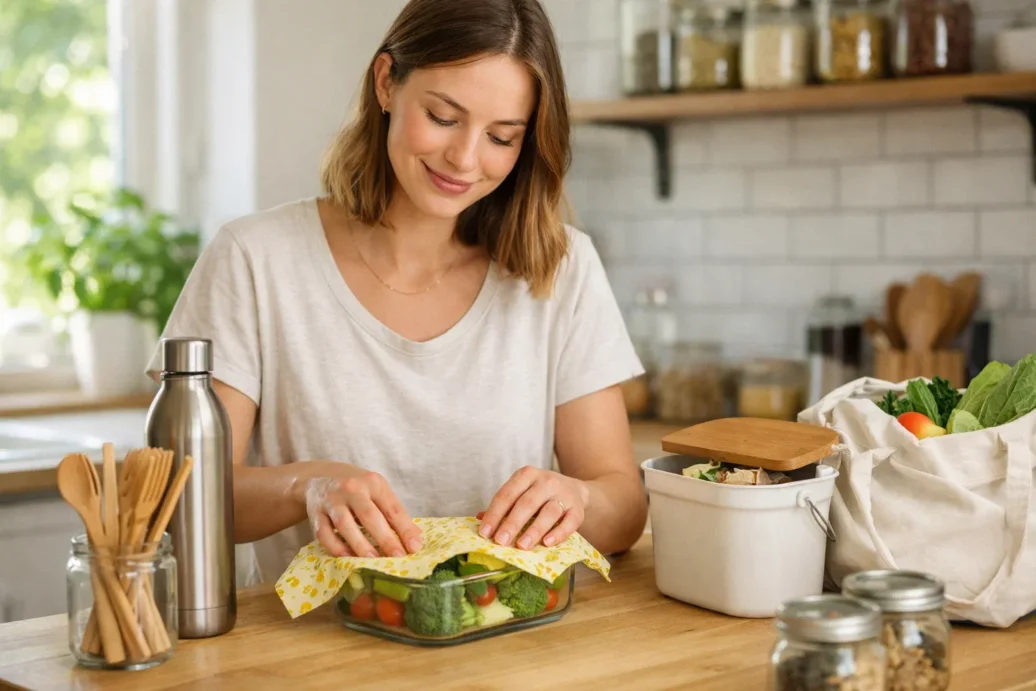
We’ve all seen the headlines about plastic islands in the ocean or landfills reaching capacity. It can feel overwhelming, right? But here’s the good news: you don’t need to fit a year’s worth of trash into a mason jar to make a difference. In 2025, the zero-waste movement isn’t about perfection; it’s about making better choices, one swap at a time.
Zero-waste swaps are simple replacements for single-use items with reusable, sustainable alternatives. It sounds small, but the impact is massive. Recent 2024 data suggests that the average person generates over 4.5 pounds of waste daily. By switching just a few habits, you can cut that number significantly.
In this guide, we’re ditching the guilt and focusing on progress. You’ll learn practical, budget-friendly swaps, see how much money you can save, and get a roadmap to start your sustainable journey today without turning your life upside down.
What Is a Zero-Waste Swap?
At its simplest, a zero-waste swap is trading a disposable product for a reusable one. It’s about moving away from the “throwaway culture” that has dominated the last few decades. Think of it like this: instead of buying plastic water bottles every week, you buy one durable bottle that lasts for years.
Eco-Friendly vs. Zero-Waste
Many beginners get confused by the terminology.
- Eco-friendly means the product doesn’t harm the planet (e.g., biodegradable plastic).
- Sustainable living is a broader lifestyle choice that meets present needs without compromising future generations.
- Zero-waste specifically focuses on waste prevention—stopping trash from being created in the first place.
Real-Life Examples for Beginners
- The Coffee Run: Swapping a paper cup (lined with plastic) for a reusable tumbler.
- Grocery Shopping: Using a tote bag instead of accepting plastic bags at checkout.
- Cleaning: Using a washable rag instead of paper towels.
Why Zero-Waste Matters in Daily Life
Environmental Impact
Every piece of plastic ever made still exists in some form. By swapping to reusables, you directly reduce the demand for raw material extraction and lower the carbon footprint associated with manufacturing and shipping disposables.
Cost Savings and Lifestyle Benefits
Let’s talk money. While a stainless steel razor costs more upfront than a plastic disposable, the replacement blades cost pennies. Over a year, zero-waste alternatives almost always save you money. plus, taking out the trash less often is a lifestyle upgrade we can all appreciate!
How to Start Zero-Waste Swaps as a Beginner
The biggest mistake beginners make is trying to change everything overnight. That’s a recipe for burnout. The key to sustainable living is… sustainability! You need to sustain the habit.
Start Small and Focus on One Area
Don’t declutter your whole house and throw away plastic items you already own—that’s actually the opposite of zero waste! Use what you have until it wears out. Then, when you need to buy a replacement, choose the eco-friendly option.
Habit Change vs. Just Buying Products
Buying a bamboo cutlery set doesn’t make you zero-waste if you leave it in a drawer and still use plastic forks. Focus on the habit first. Put the kit in your bag or car so it’s there when you need it.
The 30-Day Beginner Challenge
Try this simple roadmap:
- Week 1: Refuse single-use plastic bags. Bring your own.
- Week 2: Stop buying bottled water. Use a refillable bottle.
- Week 3: Say “no straw, please” when ordering drinks.
- Week 4: Swap one disposable bathroom item (like cotton rounds) for a reusable version.
Common Beginner Mistakes (and How to Avoid Them)
- “Wish-cycling”: Throwing non-recyclables in the bin hoping they get recycled. (Check local rules!)
- Buying trends: Purchasing expensive “zero-waste aesthetic” gear you don’t need.
Prioritizing Swaps That Stick
Choose swaps that make your life easier, not harder. If you hate washing dishes, maybe cloth napkins aren’t the best first step. Start with something effortless, like a reusable shopping bag.
Kitchen Zero-Waste Swaps
The kitchen is often the biggest source of household waste, making it the perfect place to start.
Top Swaps for 2025
- Beeswax Wraps: A fantastic alternative to plastic cling wrap. They mold with the heat of your hands and keep food fresh.
- Silicone Baking Mats: Say goodbye to aluminum foil and parchment paper.
- Dish Soap Blocks: Instead of plastic bottles of liquid soap, try a solid bar. It lasts for months!
- Unpaper Towels: These are essentially reusable cloth wipes that snap together on a roll.
Item | Disposable Cost (Yearly) | Reusable Cost (One-time) | Environmental Win |
|---|---|---|---|
Paper Towels | ~$150+ | ~$30 (Cloth towels) | Saves trees & water |
Plastic Wrap | ~$40 | ~$25 (Beeswax wraps) | No plastic leaching |
Sponges | ~$20 | ~$10 (Compostable brushes) | No microplastics |
Best Beginner Kitchen Swap Strategies
Keep it visible. If your reusable bags are hidden in a closet, you’ll forget them. Hang them by the door or keep them in your trunk. For food storage, save glass jars from pasta sauce or pickles—they are free and perfect for leftovers!
Bathroom Zero-Waste Swaps
Bathrooms are filled with single-use plastics, but 2025 has brought us incredible innovations in personal care.
Easy Swaps to Try
- Bamboo Toothbrush: Plastic toothbrushes take 400+ years to decompose. Bamboo is compostable.
- Shampoo & Conditioner Bars: These eliminate plastic bottles entirely. Modern bars lather beautifully and leave hair soft.
- Safety Razors: A metal razor lasts a lifetime. The blades are recyclable metal.
- Refillable Deodorant: Many brands now offer durable cases with cardboard refills.
Tips for Transition Without Overwhelm
Switch one product at a time as you run out. If you still have half a bottle of shampoo, use it up! Pouring it down the drain to “start fresh” is wasteful.
Personal Care Habits That Reduce Waste
Simplify your routine. Do you really need five different lotions? Often, simplifying your skincare routine reduces waste and saves your skin from irritation. Look for multi-purpose products like coconut oil or shea butter.
Zero-Waste Swaps On the Go
Our busy lifestyles often lead to convenience-based waste. Here is how to handle the commute or travel without the trash.
The “Zero-Waste Kit” Essentials
- Water Bottle: Insulated stainless steel keeps water cold all day.
- Travel Mug: Many cafes offer a discount for bringing your own cup.
- Cutlery Pouch: Keep a fork, spoon, and cloth napkin in your bag.
- Tote Bag: Foldable bags take up zero space but save endless plastic bags.
Travel-Friendly Eco Swaps
Solid toiletries (like shampoo bars and toothpaste tabs) are TSA-friendly because they aren’t liquids! This makes getting through airport security a breeze while saving plastic.
Making Swaps Work in Daily Routines
“Stack” your habits. Put your reusable mug next to your keys so you can’t leave without it. Keep a set of cutlery in your office desk drawer so you never need the plastic fork from takeout.
Zero-Waste Habits at Home
Beyond buying products, changing how you manage your home can drastically reduce your footprint.
Meal Prepping & Bulk Shopping
Buying in bulk reduces packaging waste. Bring your own jars or cotton bags to the store. Meal prepping reduces food waste because you have a plan for every ingredient you buy.
Composting: The Ultimate Swap
Food scraps don’t belong in landfills, where they generate methane.
- Backyard Compost: Great if you have space.
- Countertop Composters: New electric composters can dehydrate and grind food scraps overnight.
- Community Drop-off: Many cities now have collection bins at farmers’ markets.
Small Changes with Big Impact
Switch to paperless billing. It takes five minutes online and saves pounds of paper annually. Repair before you replace—sew a button, glue a shoe sole, or fix a wobbly chair leg.
How to Measure Your Waste Reduction
Seeing progress keeps you motivated. In 2025, we have tech to help us out.
Track Daily/Weekly Waste
Do a “trash audit.” Once a month, look at what is in your bin before you take it out. Is it mostly food scraps? Mostly plastic packaging? This tells you exactly where to focus your next swap.
Use Apps or DIY Journals
Apps like JouleBug or Earth Hero help you track sustainable actions and estimate your carbon footprint reduction. Or, keep a simple note on your phone of how many plastic bottles you didn’t buy this week.
Case Studies & Real Results
- Sarah’s Story: A busy mom of two started with just reusable water bottles. In one year, her family saved over $400 and prevented 600 plastic bottles from entering the landfill.
- Mark’s Journey: By switching to loose-leaf tea and a French press, Mark eliminated hundreds of non-recyclable coffee pods and tea bags (which often contain microplastics).
Pros & Cons of Zero-Waste Swaps
Let’s be realistic—it’s not always easy.
Benefits
- Financial: You stop paying for trash (disposables).
- Health: You avoid chemicals found in plastics (like BPA).
- Community: You support local businesses and farmers’ markets.
Challenges
- Upfront Cost: A $30 razor feels expensive compared to a $2 disposable.
- Availability: Not everyone has a bulk store nearby.
- Convenience: Remembering your reusables takes mental effort.
Solutions to Overcome Barriers
If bulk stores aren’t accessible, focus on buying the largest size available (less packaging per unit) or choosing glass/metal packaging over plastic. If cost is an issue, remember: the most sustainable item is the one you already own or can buy secondhand.
Frequently Asked Questions (FAQs)
What are easy zero-waste swaps for beginners?
The easiest swaps are reusable water bottles, shopping bags, and switching to bar soap. These require minimal effort but have a high impact.
Are zero-waste swaps expensive?
They can have a higher initial cost, but they save money over time. For example, cloth napkins last for years, whereas you buy paper towels monthly.
How much waste can I save by switching?
An individual can save hundreds of pounds of trash annually. For instance, skipping bottled water alone can save ~156 bottles per year for the average person.
Common mistakes when starting zero waste?
Trying to be perfect. “Zero waste” is the goal, not the immediate reality. Don’t beat yourself up over a plastic straw. Just try to do better next time.
Conclusion
Starting a zero-waste lifestyle in 2025 isn’t about fitting your trash in a jar; it’s about shifting your mindset. It’s about valuing resources and recognizing that our choices have power.
By making simple swaps—like choosing a bamboo toothbrush or carrying a reusable cup—you are voting for a cleaner planet. Remember, we don’t need a handful of people doing zero waste perfectly. We need millions of people doing it imperfectly.
Ready to start? Pick just ONE swap from this list and try it this week. Let’s make 2025 the year we waste less and live more.